The Beginnings
“Continental Europe, from Portugal to Poland, will either unite into a superstate or perish politically, economically, and culturally within this century.”
These words were written by Richard Coudenhove-Kalergi in 1922 in an article in the “Neue Freie Presse”. He intended to rouse Europe’s statesmen, but there was no immediate response. The young Coudenhove-Kalergi (born 1894) subsequently withdrew to formulate his idea in a book.
In 1923, “Pan-Europa” was published: It highlights the dangers, analyzes the situation, describes alternatives, and summarizes all important arguments for European unification in precisely formulated theses. At the same time, Coudenhove-Kalergi called for joining the Paneuropa Union as a collective movement for all Europeans.
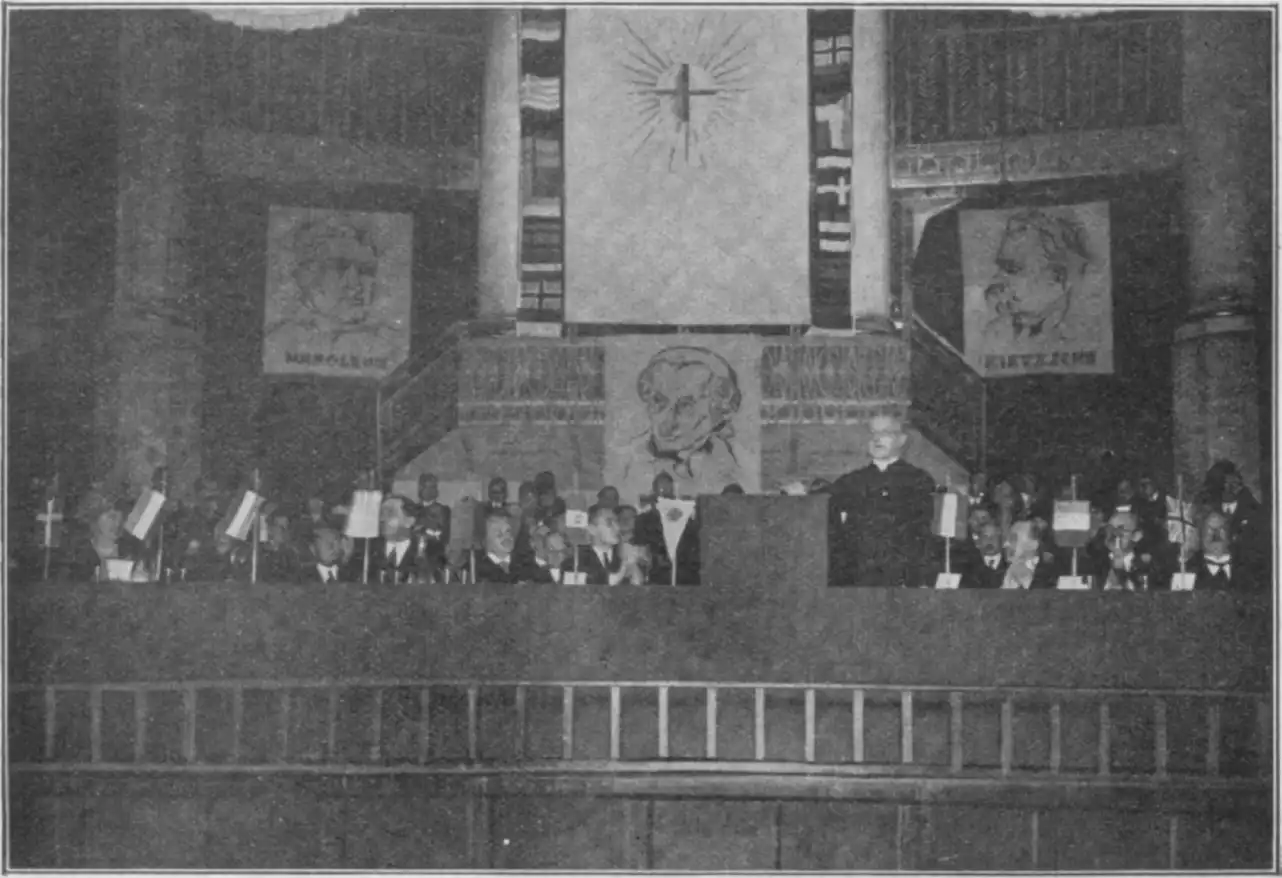
Ignaz Seipel at the opening of the first Pan-European Congress on October 3, 1926, at the Vienna Konzerthaus
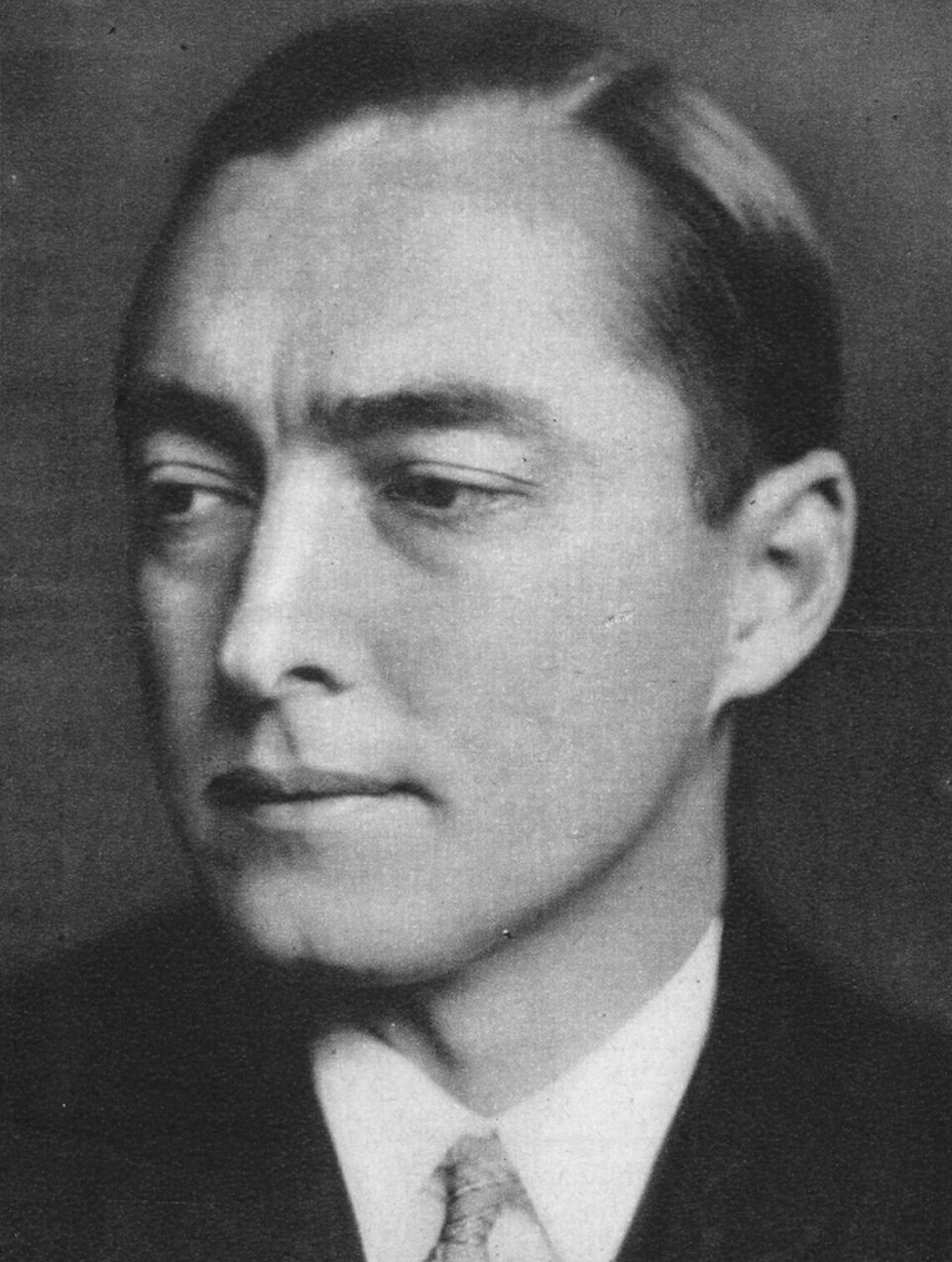
The previously unknown private citizen gained the support of leading politicians: Federal Chancellor Prelate Ignaz Seipel and Federal President Karl Renner in Austria, Reichstag President Paul Loebe and Gustav Stresemann in Germany, Prime Ministers Edouard Herriot and Leon Blum in France, Ministers Leo Amery and Duff Cooper in England, and many more.
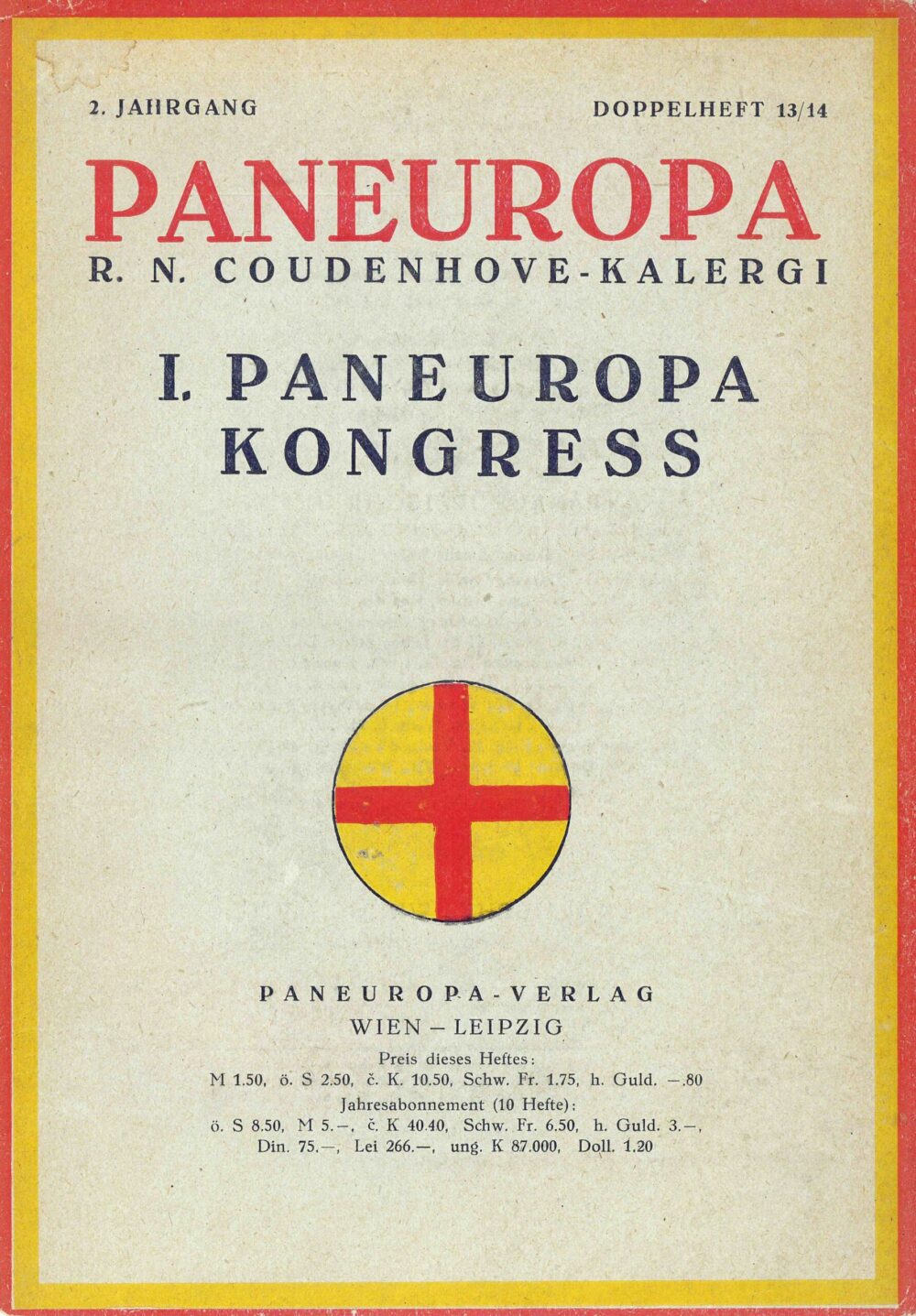
Arguably the most significant patron in the early years was Austrian Chancellor Ignaz Seipel. He assumed the chairmanship of the Austrian Committee and provided rooms for the movement’s central office in the Vienna Hofburg. In 1926, the first Paneuropa Congress then took place in Vienna: More than 2,000 participants from 24 nations made Paneuropa a synonym for the peaceful unification and development of the continent.
Peak and Fall
“I believe that among the peoples who belong together geographically, like the peoples of Europe, a kind of federative bond must exist” Aristide Briand
In 1926, French Foreign Minister Aristide Briand assumed the honorary presidency of the Paneuropean Movement. Coudenhove-Kalergi repeatedly and increasingly urgently called upon him to finally place Paneuropa on the agenda of national policy. On September 5, 1929, the time had finally come: In his famous speech before the League of Nations, Briand proposed the creation of “a kind of federal bond” between European nations.
This “European Union,” whose membership was to be open only to European states that were members of the League of Nations, was intended to be an association of states acting in coordination and under the auspices of the League of Nations. In practice, this would have meant the creation of a “single market” designed to bring European economies closer together through a “customs union.”
This marked the splendid culmination of the pro-European campaign of the interwar period and simultaneously its end: England rejected the plan, Germany changed its stance after the death of Gustav Stresemann, and French politics also pursued the initiative only half-heartedly due to the general developments.
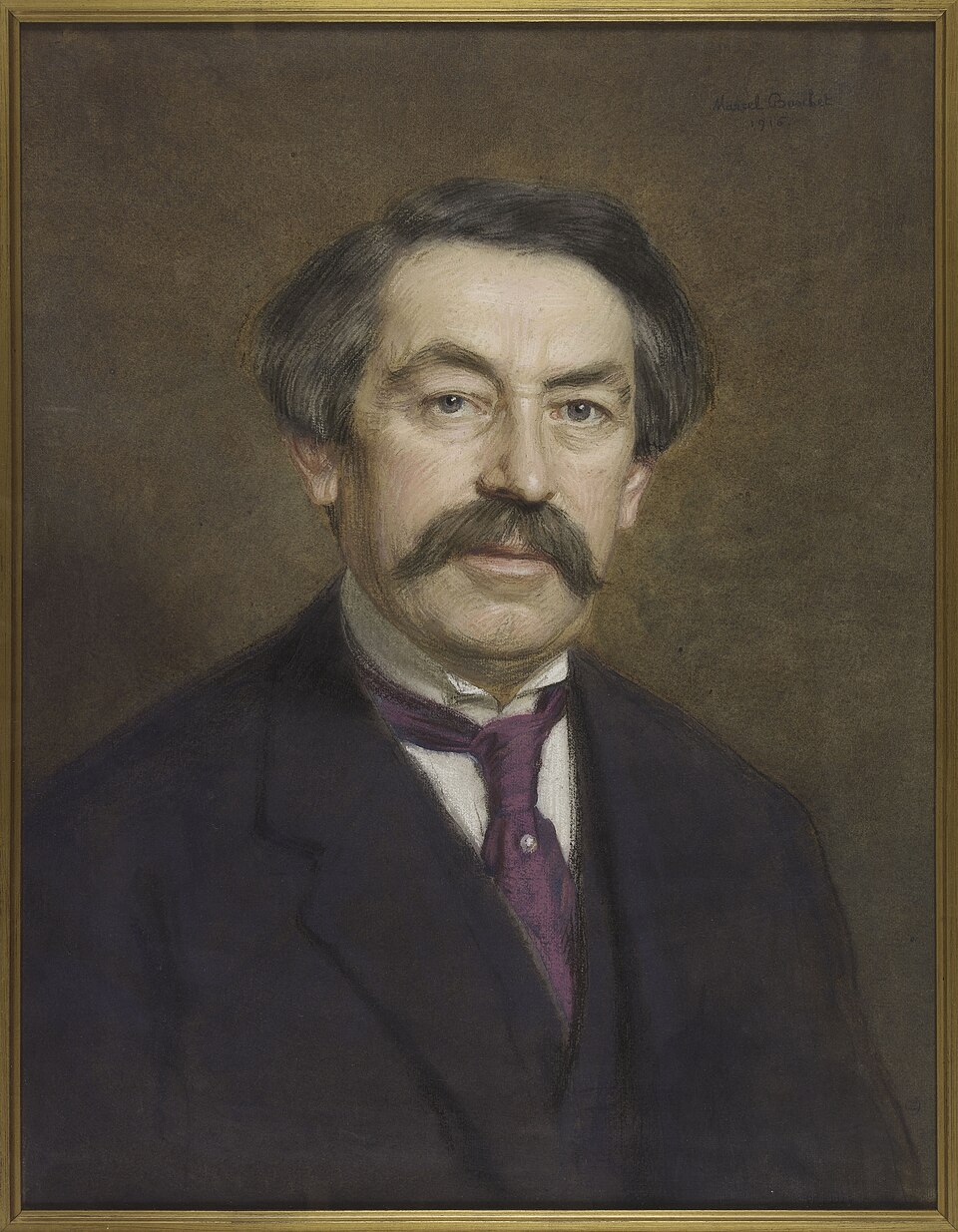
Aristide Briand, multiple-time Prime Minister and then Foreign Minister of France, advocated for a united Europe at the initiative of Coudenhove-Kalergi
In 1930, the Briand Memorandum was published on the eve of the second Paneuropean Congress, which was convened in Berlin to support it. There, the plan was discussed once again in greater detail. However, the memorandum came too late: since the Stock Market Crash of 1929, the policy of cautious opening had come to an end on all sides. It was replaced by nationalism and tariffs, the harbingers of a looming further war.
„Stalin bereitet den Bürgerkrieg vor – Hitler den Völkerkrieg“, warnte Richard Coudenhove-Kalergi auf dem dritten Paneuropa-Kongress 1932 in Basel.
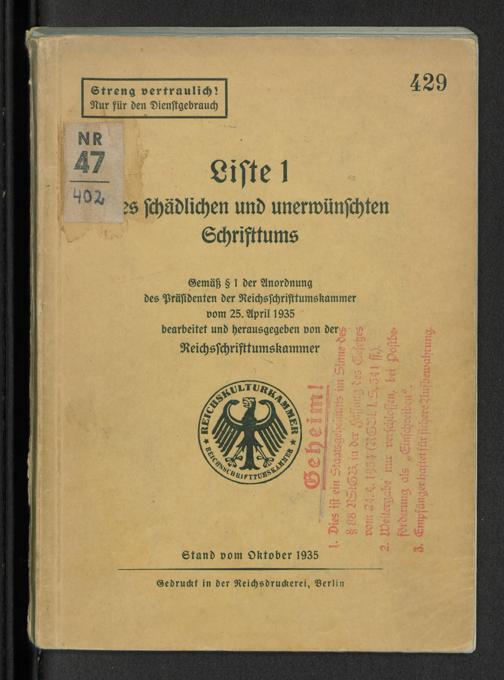
Coudenhove-Kalergis Werke waren nach der Machtergreifung Hitlers verboten
Against Red and Brown Totalitarianism
Fascist movements were among the most bitter opponents of Paneuropean endeavors. On May 20, 1930, the “Völkischer Beobachter” mocked Briand’s European Memorandum as a “Pied Piper memorandum.” Furthermore, Hitler described the Paneuropean idea as the “ideal of all inferior or half-breed bastards”—a phrase that later became the title of a biography of Coudenhove-Kalergi.
Coudenhove-Kalergi himself continued his struggle—despite increasing resistance and dwindling support. However, the nature of his new campaign had fundamentally changed: no longer an offensive for understanding between Germans and French, but a defensive stand against the growing red and brown tide.
Immediately after the seizure of power by the National Socialists, Paneuropean literature was banned, and the German Paneuropean Union was dissolved. Support from German industry ceased. At the same time, Coudenhove-Kalergi lost the backing of left-leaning intellectual allies who placed their hopes in the Soviet Union in the fight against Hitler, while the Paneuropean President did not retract, but rather intensified, his rejection of communism.
The Paneuropean Movement’s activities now primarily focused on France, Czechoslovakia, and Austria. The preservation of Austria’s independence within the framework of a Danubian Federation allied with Italy and France was the objective of all major activities between 1933 and 1938.
Hitler’s invasion of Vienna in March 1938 marked the end. Coudenhove first went into exile in Switzerland, then to the USA. There, together with Otto von Habsburg, he endeavored to establish a cross-party Austrian government-in-exile. This attempt failed due to the rejection by Socialists predominantly leaning towards Greater Germany.
In Exile
Through his anti-Soviet stance and advocacy for Austria, he drew the opposition of the Beneš government-in-exile and all communist “fellow travelers.” He felt the influence of this camp through intrigues and other disruptive tactics during the preparations for the fifth Paneuropean Congress in New York in 1943. Returning from American exile in 1946, Coudenhove-Kalergi observed that, after two terrible world wars, the readiness for a new European beginning had finally awakened. Coudenhove-Kalergi advised British Prime Minister Winston Churchill on the preparation of his sensational Zurich speech, in which he called for the establishment of a United States of Europe and a reconciliation between France and Germany. Today, it is considered the “starting signal for European unification.”
The Union of Parliamentarians
As the Allies had failed to convene a parliament as the cornerstone of the new order in free Western Europe, Coudenhove remedied this through a private initiative: thus, the European Parliamentary Union was established. At its congress in Gstaad in 1947, the European Parliamentary Union called for the convocation of a European Parliamentary Assembly, a demand that was subsequently adopted by the European Movement at the Hague Congress in 1948.
The campaign of the European Parliamentary Union was successful: it ensured that the Council of Europe, founded in 1949, did not consist solely of a Committee of Ministers, but was supplemented by a Consultative Parliamentary Assembly as a second organ. Thus, the history of European parliamentarism had begun. However, its broader goal of adopting a federative constitution (set out in the so-called Interlaken Plan of 1948) failed due to the objection of Great Britain and the lack of determination among continental parliaments. Coudenhove-Kalergi drew his conclusions from this and advocated for a beginning without Great Britain—a Europe of the Six, which he called the Karlsbund. In 1950, the city of Aachen awarded the father of the Paneuropean idea its first International Charlemagne Prize.
Paneuropa: More Than Just the European Economic Community
Coudenhove-Kalergi now dedicated himself to the revival of the Paneuropean Union as the vanguard of European patriots. After an initial attempt in Lausanne in 1952, the re-establishment was completed with the Sixth Paneuropean Congress in Baden-Baden in 1954. The Paneuropean Union united those Europeans who affirmed the development of European integration in the 1950s but critically monitored it. The Paneuropeans rejected the one-sidedness of a purely economic alliance and the ideology of technocratic functionalism. While they greatly welcomed the founding of the European Economic Community (EEC), they urged its prompt supplementation with foreign and security policy aspects.
At the eighth Paneuropean Congress in Bad Ragaz, Switzerland, Otto von Habsburg was elected to the Central Council of the Paneuropean Union. Shortly thereafter, he became one of the vice presidents and was proposed by Coudenhove-Kalergi as his eventual successor to the office of president. In the mid-1960s, Coudenhove-Kalergi increasingly withdrew from day-to-day political affairs. In 1965, he moved the General Secretariat to Brussels, where Vittorio Pons, then an advisor to the EC Commission, managed operations, while Otto von Habsburg filled halls with his lectures. Following the death of Richard Coudenhove-Kalergi on July 27, 1972, Otto von Habsburg assumed the leadership of the International Paneuropean Union.
A member-based movement with a Christian-conservative identity
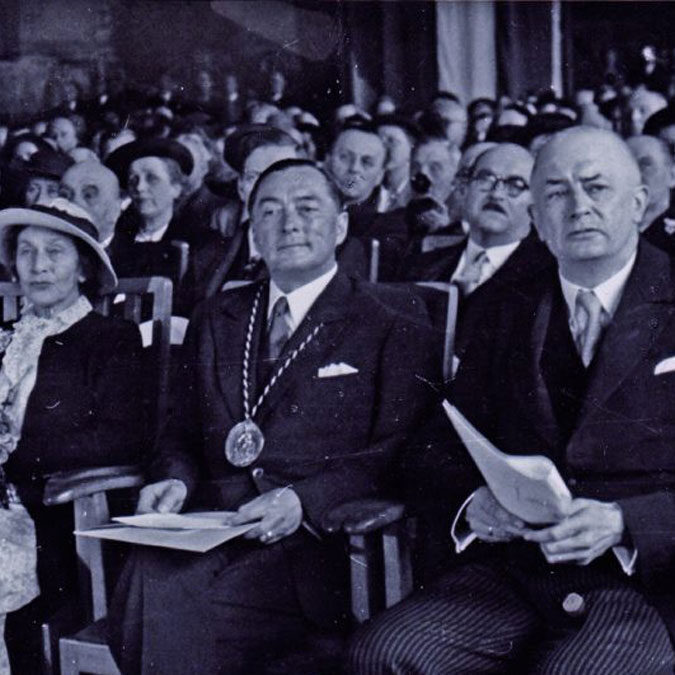
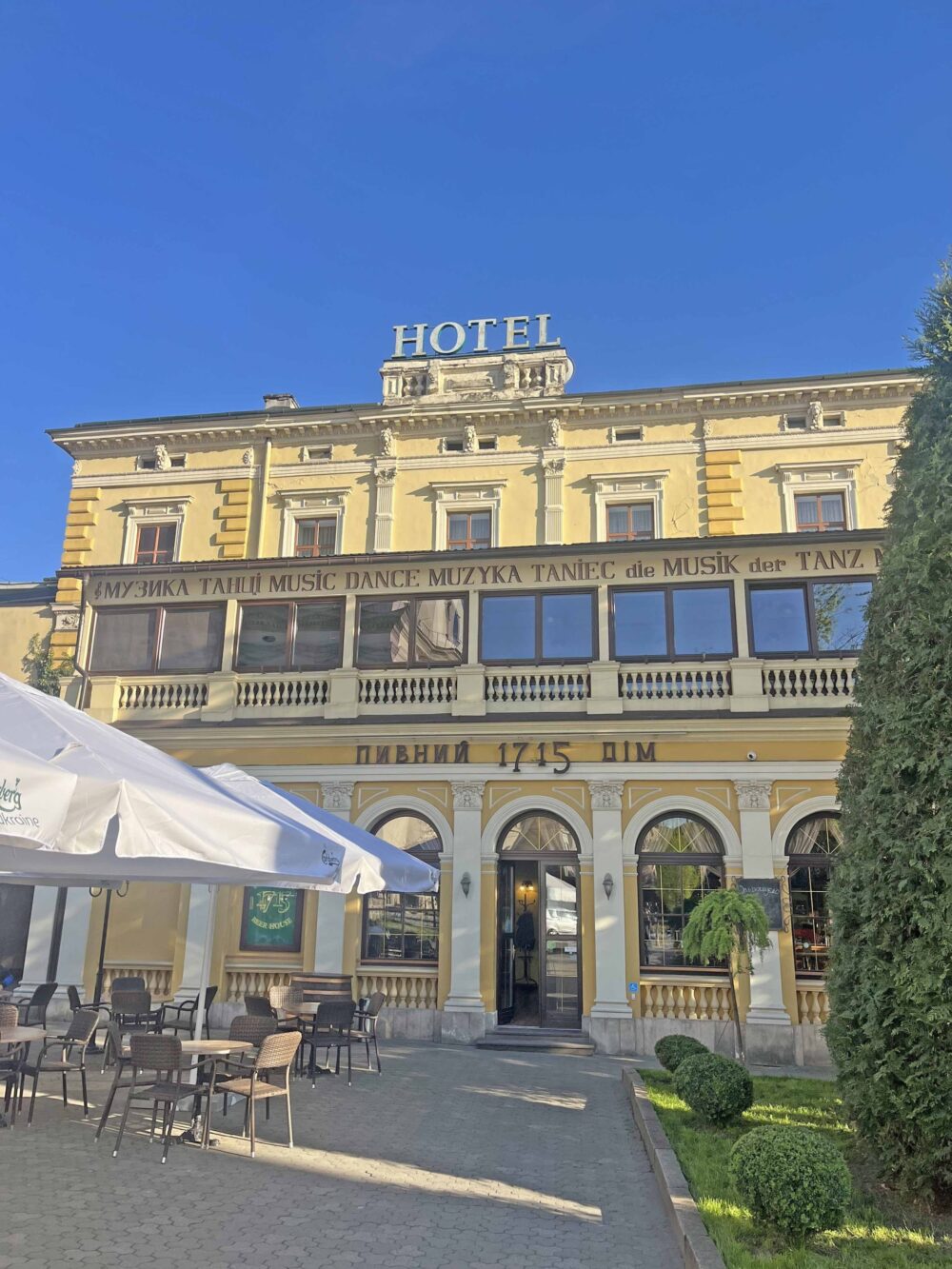
Since the mid-1970s, the movement increasingly adopted the approach of a membership organization with a Christian-conservative profile. Antagonized or merely ridiculed by the established parties of the left and center, the principle formulated in the phrase “Pan-Europe is all of Europe” increasingly became the declared goal of the movement. While the chanceries of the West had already resigned themselves to the Iron Curtain, the Paneuropean Movement never ceased to advocate for the freedom of Central and Eastern Europe. Just as the movement under Coudenhove-Kalergi opposed brown totalitarianism during the interwar period, under Habsburg it resisted the red totalitarianism of the Soviet Union and its allies. Support for underground movements in the Eastern Bloc countries was as much a part of this policy as, for example, the initiative to place an empty chair for the peoples of Central and Eastern Europe – as a sign of their belonging to Europe – in the European Parliament in Strasbourg. It was then also the Pan-European Picnic on the Austrian-Hungarian border on August 19, 1989, that broke through the Iron Curtain. In one of his last appearances as GDR leader, Erich Honecker “accused” Otto von Habsburg and his Paneuropean Movement of being responsible for the collapse of socialism.
1922
Gründungsjahr
1926
Erster Paneuropa Kongress in Wien
1989
Paneuropäisches Picknick
Focus on Central and Eastern Europe
Following the Peaceful Revolution of 1989/1990, existing underground groups in the now free countries of Central and Eastern Europe began their transition into legality, or new Paneuropean groups were established. Today, national organizations of the International Paneuropean Union exist in virtually all European states. The inclusion of Central and Eastern European states (the so-called Eastern Enlargement) into the European Union represents one of the key areas of focus.
Geopolitical Europe
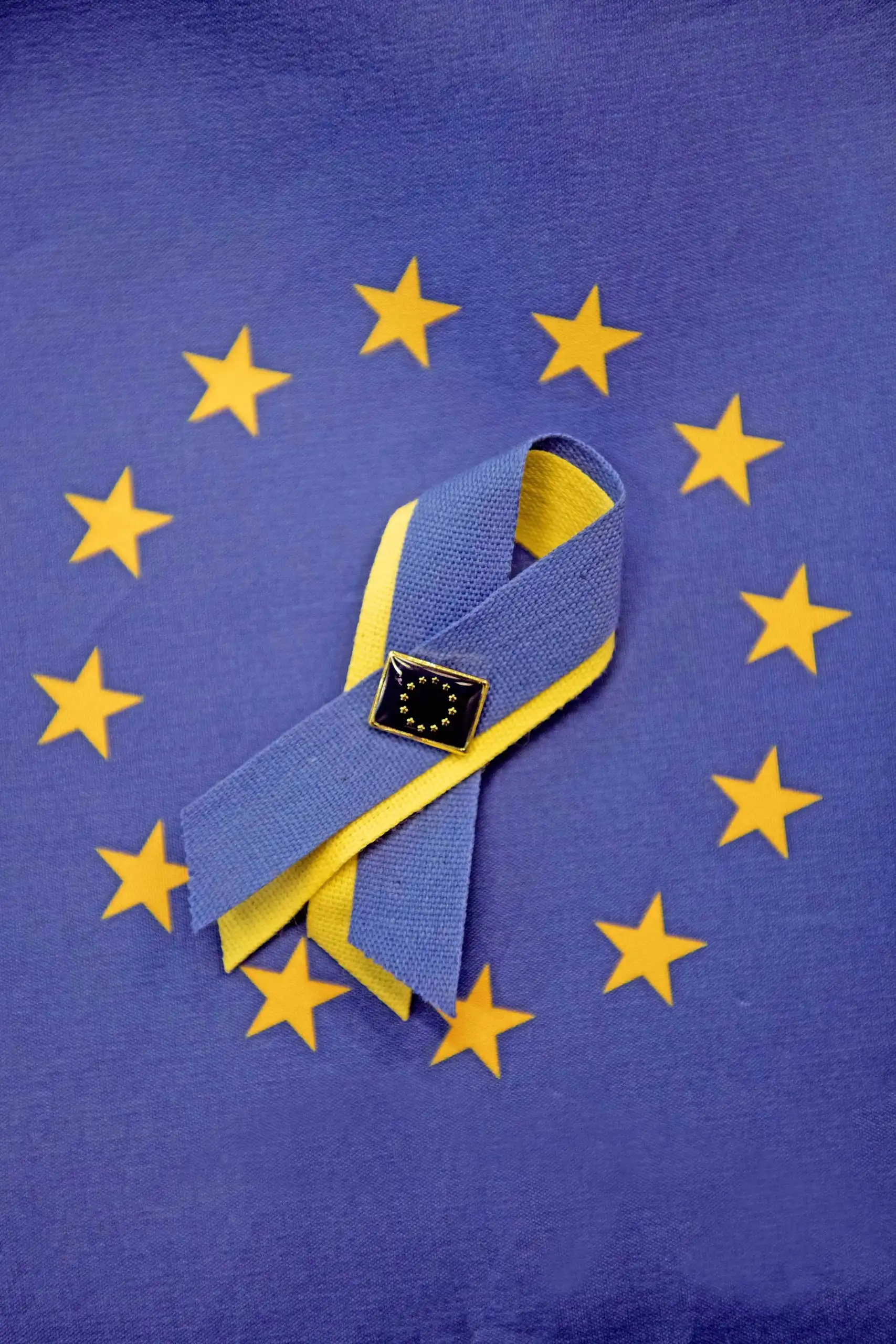
What remains absent in institutional European cooperation is the geopolitical approach with which the Paneuropean Union was founded more than 100 years ago. However, the significant challenges confronting Europe necessitate working with a clear strategy for a geopolitical Europe. It is an Axis of Evil that opposes European values such as freedom, democracy, market economy, and the rule of law. To safeguard these fundamental values that have made Europe great, a United Europe – Paneuropa – must become a geopolitical Europe.
The principles and specific demands for this were formulated in the “Vienna Declaration for a Strong Europe” on the occasion of the centenary of the first Paneuropean Congress in 1926.
Become a Member
Contribute your ideas, experience, and conviction for a united Europe. Become part of an independent and non-partisan movement.




This site is registered on wpml.org as a development site. Switch to a production site key to remove this banner.