Elections in Bulgaria
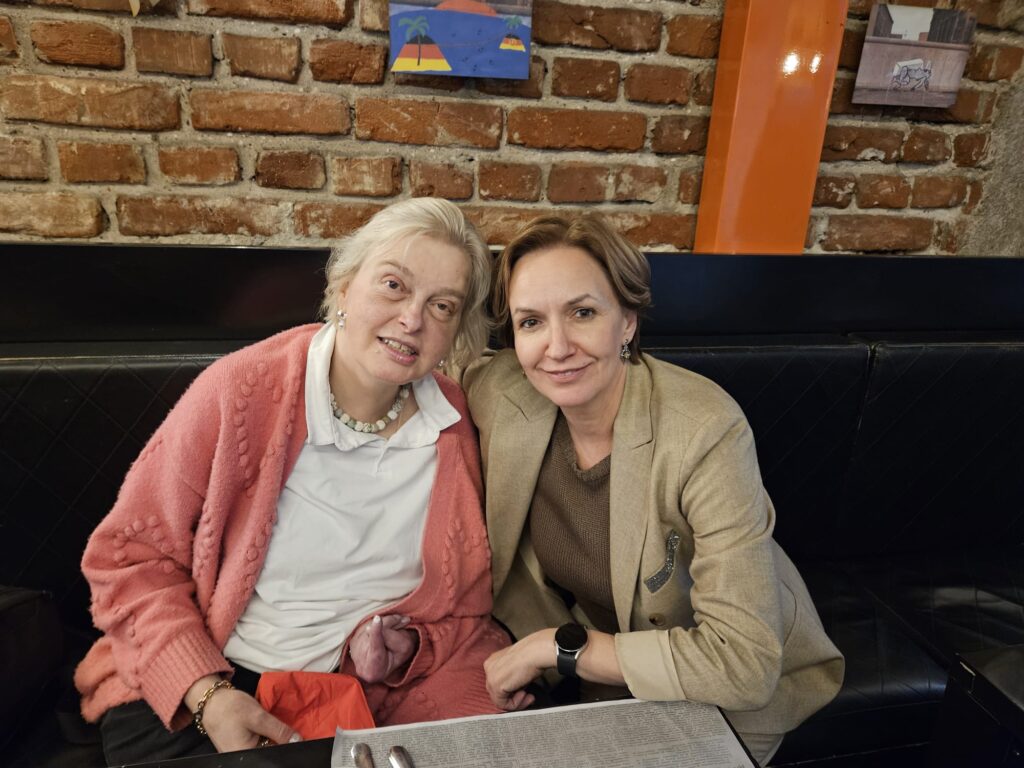
Gergana Passy, president of Paneuropa Bulgaria and former minister for european integration, comments in the result of the elections in Bulgaria. Walburga Habsburg Douglas, vice-president of Paneuropa-Union, was there as election observer.
Gergana Passy, President of Paneuropa Bulgaria and former Minister for European Integration, comments on the results of the elections in Bulgaria. Walburga Habsburg Douglas, Vice-President of Paneuropa-Union, was present as an election observer. (The German translation of the text can be found below.)
On 19 April, Bulgaria held its parliamentary elections—the eighth in just five years. Higher voter turnout and the decisive victory of former President Rumen Radev’s Progressive Bulgaria party, which secured an absolute majority, mark a historic moment of political clarity. It is the first time since 1997 that a single party has won enough seats to govern alone in Bulgaria.
The presence of international observers highlighted Bulgaria’s commitment to transparent democratic processes as an EU and NATO member—and a recent eurozone entrant. The outcome also demonstrated that, in a vibrant democracy, power can shift peacefully and in an orderly manner.
While Radev’s overall statements and those of his party blend populist appeal, his initial post-election remarks reaffirmed Bulgaria’s place within the EU and NATO families. At the same time, they signaled a more pragmatic, less idealistic approach to key European policies. It remains too early to draw firm conclusions, given the lack of clarity regarding future appointments and specific policies.
Ultimately, the new party’s direction should be judged by its actions and decisions on the ground, rather than by initial comments or interpretations.
On April 19, parliamentary elections were held in Bulgaria—the eighth in just five years. The high voter turnout and the clear victory of former President Rumen Radev’s “Progressive Bulgaria” party, which secured an absolute majority, mark a historic moment of political clarity. It is the first time since 1997 that a single party in Bulgaria has won enough seats to govern alone.
The presence of international election observers underscored Bulgaria’s commitment to transparent democratic processes as an EU and NATO member, as well as a recent eurozone entrant. The result also showed that in a vibrant democracy, a transfer of power can occur peacefully and orderly. While Radev’s statements overall and those of his party exhibit populist tendencies, his initial post-election remarks reaffirmed Bulgaria’s position within the EU and NATO family. At the same time, they signaled a more pragmatic, less idealistic approach to important European policy areas. Given the uncertainties regarding future appointments and specific political measures, it is still too early for definitive conclusions.
Ultimately, the new party’s direction should be judged by its concrete actions and decisions, not by initial comments or interpretations.