Opera Premiere in the Midst of War
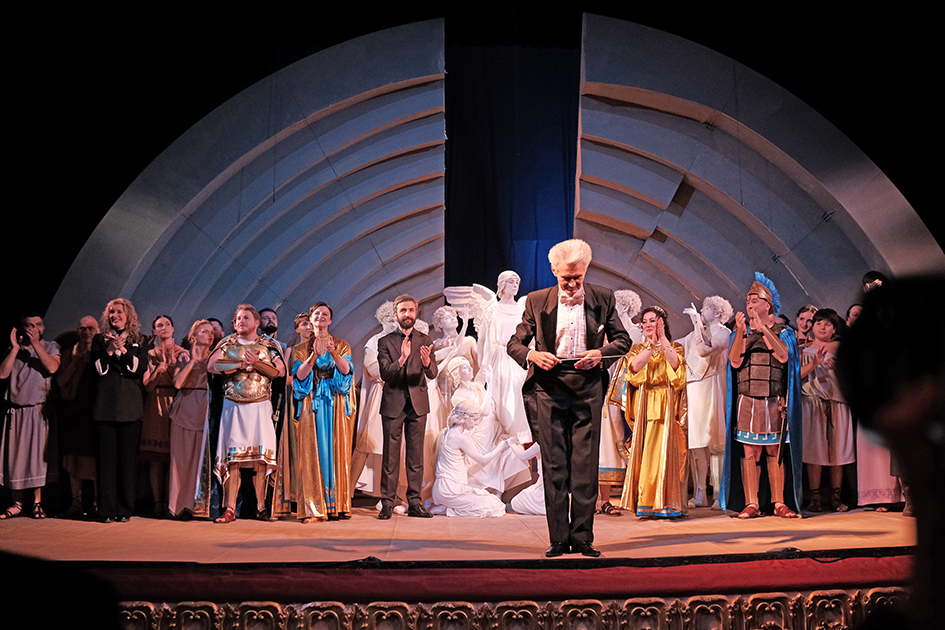
In Chernivtsi, Ukraine, an opera that had been lost for almost 250 years was performed again. Dmytro Bortniansky composed it in Venice. Quite revolutionary for the absolutist era, the work ends with a public election. By Rainhard Kloucek
Find English version below!
We are heading to the toxicology institute (in Kyiv). The announcement sounded somewhat strange, as we had arranged to meet with the people organising the ‘premiere’ of an opera that had been lost for nearly a quarter of a millennium. Although the term ‘premiere’ is not entirely accurate. The opera was already premiered in 1776 (almost 250 years ago) at the Teatro San Benedetto in Venice. But in Ukraine, one can expect many surprises. The Toxicology Institute in Kyiv is a state institution, but privately funded.
And because this works well, the management, in consultation with the staff, decided to invest in cultural promotion. Part of this project can be admired in a picture gallery at the institute.
City Festival on the Occasion of the Granting of City Rights
The other part, namely the ‘premiere’ of the opera, was to be seen and heard on 3rd October. In Chernivtsi, in Bukovina, that western region of Ukraine which came under Austrian, Habsburg rule exactly 250 years ago. Mykola Prodanchuk, the director of the toxicology institute, also comes from Chernivtsi. The date 3rd October was no coincidence, as the first weekend in October sees the city festival in Chernivtsi, commemorating the granting of city rights. Even during the annihilation war that Russia is waging against Ukraine. Before the opera premiere, a ceremony was held at the university to mark its 150th anniversary. This is also no coincidence, as the university was founded on the occasion of the 100th anniversary of Bukovina’s accession to Austria.
The Clever Calculation of the People of Chernivtsi
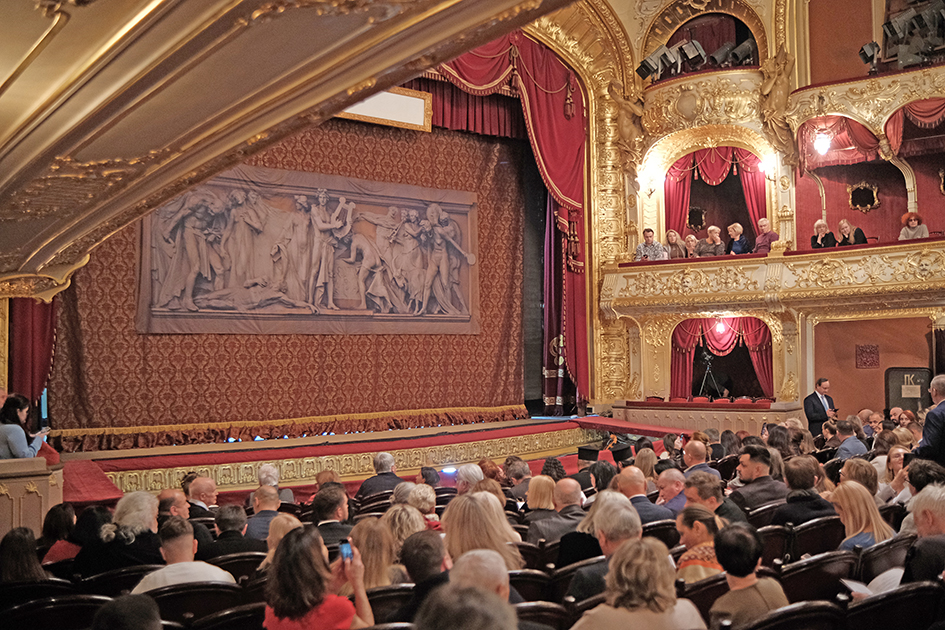
This opera performance is also a gift to Austria, says Mykola Prodanchuk, a thank you to Austria and the many Austrians who support Ukraine in its defensive struggle to survive. The theatre building (where the opera was performed) in Chernivtsi is a typical structure from the Monarchy, by the famous architectural duo Helmer and Fellner. They built many theatre buildings in the Monarchy. The people of Chernivtsi were already clever back then, it is said, as they decided to wait after the first cost estimate. Helmer & Fellner would implement the building concept in other cities, and it would then become cheaper for Chernivtsi. That was the calculation, and it proved to be true.
“Creonte” is the title of the opera. It was composed by Dmytro Bortniansky, a Ukrainian whom Ukrainians are now rediscovering, as he was a very important composer of his time. He was in contact with Mozart and other great figures of the era and was highly regarded by them. He worked, among other places, in Venice and also in St. Petersburg. The libretto for Creonte was written by Marco Coltellini.
The Composer from a Cossack Family
Dmytro Bortniansky was just 25 years old and still a student when he composed the opera. He came from a Cossack family; his father was a military leader among the Cossacks, so he came from a noble, aristocratic family. They lived in Hlukhiv, the capital of the Ukrainian Hetmanate.
At that time, Ukraine was not an independent state; Dmytro Bortniansky’s homeland was under Russian occupation. And because he also lived and worked in St. Petersburg, Russia likes to interpret him as a Russian. From today’s perspective, this is also fitting, as the Russian leadership denies Ukraine its right to exist.
Discovered in Portugal After Almost 250 Years
The Ukrainians will not accept this. Dmytro Bortniansky is an important part of Ukraine’s cultural identity. His opera Creonte was lost for almost 250 years. It was only rediscovered in 2023, in an archive in Lisbon, Portugal.
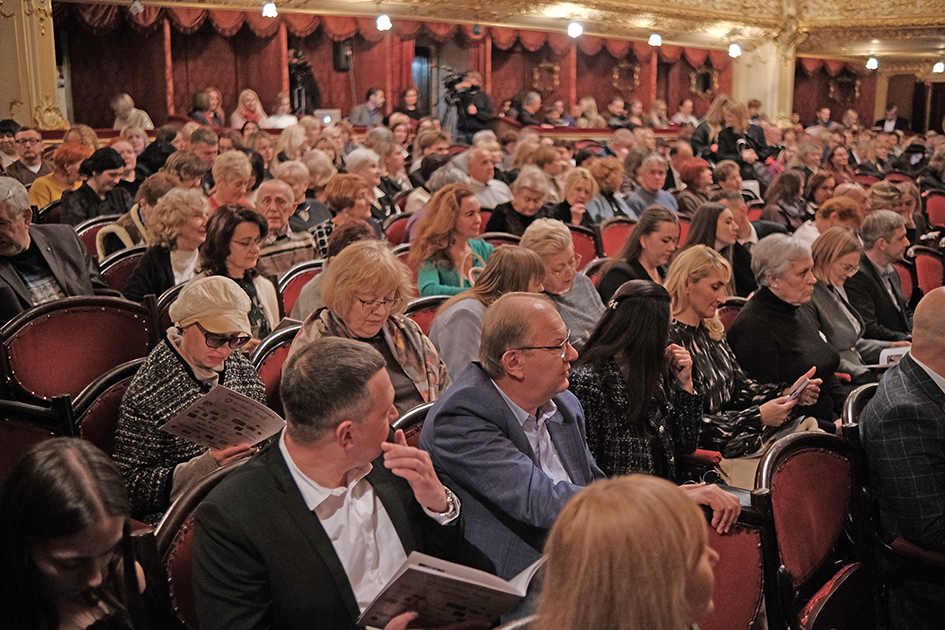
An orchestral performance has already taken place. In Kyiv. Musically directed by Maestro Herman Makarenko. The staged performance of Creonte is thus a first revival of a work that was composed a quarter of a millennium ago. Maestro Herman Makarenko also conducted in Chernivtsi.
The question is why the work, with the exception of a single aria, was lost for centuries. Mykola Prodanchuk, the Chernivtsi-born director of the Toxicology Institute in Kyiv, has his own theory. The work was not lost, but deliberately hidden. By Dmytro Bortniansky personally.
It was too provocative for the absolutist era. Not musically, but in its message. The king develops into a tyrant, is overthrown. But no new king is placed on the throne. Antigone possesses not only courage but also a sense of justice. The opera ends with an election, a democratic election. It thus presents a political message that, at the time, would have posed a danger to all involved. The work would probably have been destroyed. Therefore, according to Director Prodanchuk’s thesis, the composer hid it himself to remove it from the grasp of the absolutist authorities and thus from destruction.
Public Election in the Age of Absolutism
The symbolism of the election is a further distinction of Ukraine from Russia. For in European Ukraine, after breaking away from the Soviet Union and thus from Moscow’s rule, a democracy was able to develop. In the Empire of Moscow, however, time is currently being turned back to absolutism.
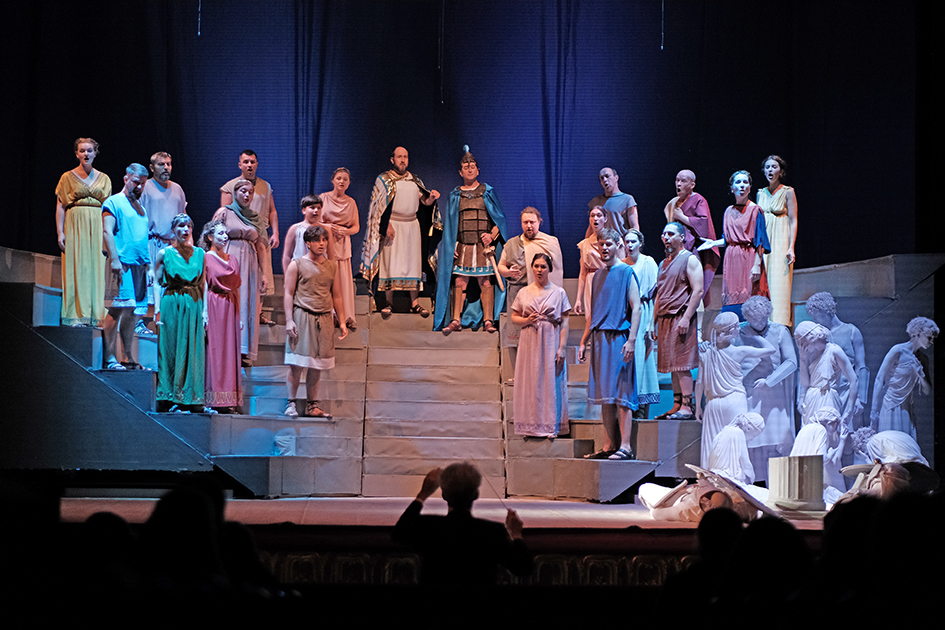
From the Empire of Moscow also came a disruption to the performance in Chernivtsi. Air raid alarm. Russian MiG-31s had taken off. These are Putin’s only fighter jets that can carry hypersonic missiles. So the air raid alarm applied to the whole of Ukraine. The interruption lasted almost half an hour; Bukovina was safe again, the performance continued, with even more enthusiasm, which had already been shown in multiple bursts of applause.
Struggle Against Despotism and for Freedom
As Maestro Makarenko put it: Both the opera itself and the timing of its premiere in the midst of war are a symbol of the resilience of the Ukrainian people, of the struggle against despotism and for freedom, for Ukraine’s belonging to Europe.
Copyright Photos: Maksym Kozmenko
Opera Premiere in the Midst of War
In Chernivtsi, Ukraine, a lost opera that had been missing for almost 250 years was performed again. Dmytro Bortniansky composed it in Venice. In a revolutionary move for the era of absolutism, the opera ends with the public election of a ruler.
By Rainhard Kloucek
Translation: Oksana Schocher
We are heading to the toxicology institute (in Kyiv). This invitation seemed somewhat bizarre, as we had arranged to meet with the people organising the premiere of the opera, which had been lost for nearly a quarter of a millennium. Although the term “premiere” is not entirely accurate. The opera was premiered in 1776 (almost 250 years ago) at the Teatro San Benedetto in Venice. But in Ukraine, one can expect plenty surprises. The Toxicology Institute in Kyiv is a state institution. But it is privately funded.
As this works well, the management, in consultation with the staff, has decided to support cultural initiatives. Some of this cultural involvement can be viewed in a gallery at the institute.
Town festival to honour the granting of city rights
However, its other part, namely the “premiere” of the opera, was presented on 3rd October. In Chernivtsi, in Bukovina, the western region of Ukraine that came under Austrian rule exactly 250 years ago. Mykola Prodanchuk, the director of the toxicology institute, originally comes from Chernivtsi. The date of 3rd October was no coincidence, as the first weekend in October marks the town festival in Chernivtsi, honouring the granting of city rights. Even at the time of Russia’s annihilation war against Ukraine. Prior to the opera premiere, a ceremony was held at the university to mark its 150th anniversary. This is also no coincidence, as the university was founded on the occasion of the 100th anniversary of Bukovina’s accession to Austria.
The Clever Calculation of the People of Chernivtsi
“This opera performance is also a gift to Austria,” says Mykola Prodanchuk, “a way to thank Austria and the many Austrians who support Ukraine in its struggle for survival.”
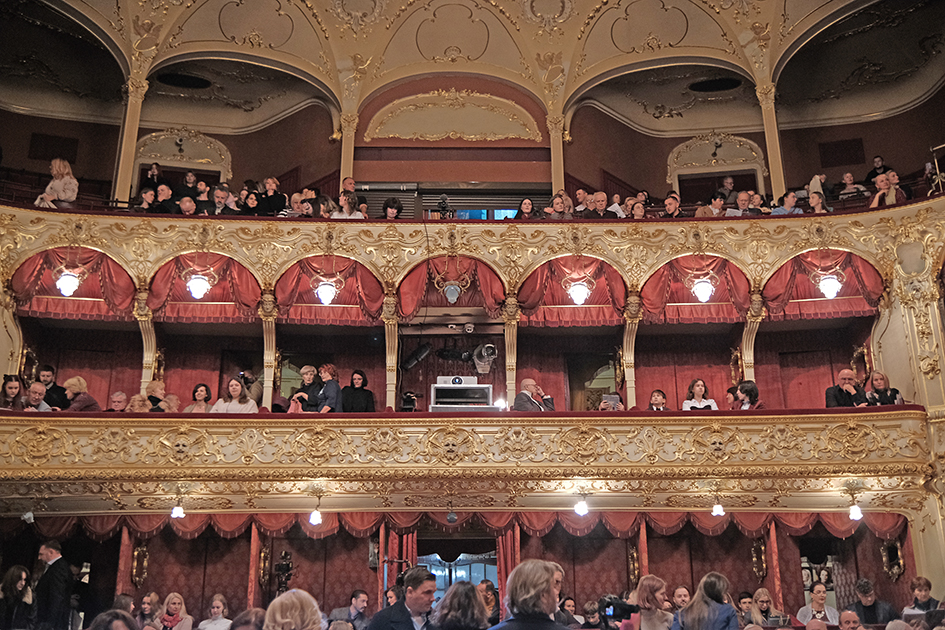
The theatre building where the opera was staged is a typical structure from the Austro-Hungarian monarchy, designed by the famous architectural duo Helmer and Fellner, who built many theatres throughout the empire. The residents of Chernivtsi were clever in those days too, according to reports, they decided to wait after the initial cost estimate. Helmer & Fellner would go on and implement the same concept in other places, which would make it cheaper for Chernivtsi. That was the calculation, and it worked out that way.
The opera is titled “Creonte.” It was composed by Dmytro Bortniansky, a Ukrainian who is now being rediscovered as a significant composer of his time. He was in contact with Mozart and other great figures of the era and was highly regarded by them. He worked both in Venice and in St. Petersburg. The libretto for Creonte was written by Marco Coltellini.
The Composer from a Cossack Family
Dmytro Bortniansky was only 25 years old and still a student when he composed the opera. He was born into a Cossack family; his father a military commander among the Cossacks, hence his noble, aristocratic background. They lived in Hlukhiv, the capital of the Ukrainian Hetmanate.
At that time, Ukraine was not an independent state; Bortniansky’s homeland was under Russian occupation. Because he also lived and worked in St. Petersburg, Russia often portrays him as a Russian composer. From today’s perspective, it is also relevant, as the Russian leadership denies Ukraine’s right to exist.
Discovered in Portugal After Almost 250 Years
But Ukrainians will not accept this. Dmytro Bortniansky is an important part of Ukraine’s cultural identity. His opera Creonte was lost for almost 250 years. It was rediscovered only in 2023, in an archive in Lisbon, Portugal.
An orchestral performance has already taken place in Kyiv, conducted by Maestro Herman Makarenko. The staged production of Creonte in Chernivtsi thus marked the first full revival of a work composed a quarter of a millennium ago. Maestro Herman Makarenko was also the conductor in Chernivtsi.
The question remains: why was the work—except for a single aria—lost for centuries?
Mykola Prodanchuk, the Chernivtsi-born director of the Toxicology Institute in Kyiv, has his own theory: the work was not lost, but deliberately hidden—by Bortniansky himself.
It was too provocative for the era of absolutism—not musically, but in its message. The king becomes a tyrant and is overthrown. Yet no new monarch ascends the throne. Antigone not only shows courage but also a sense of justice. The opera ends with an election—a democratic vote.
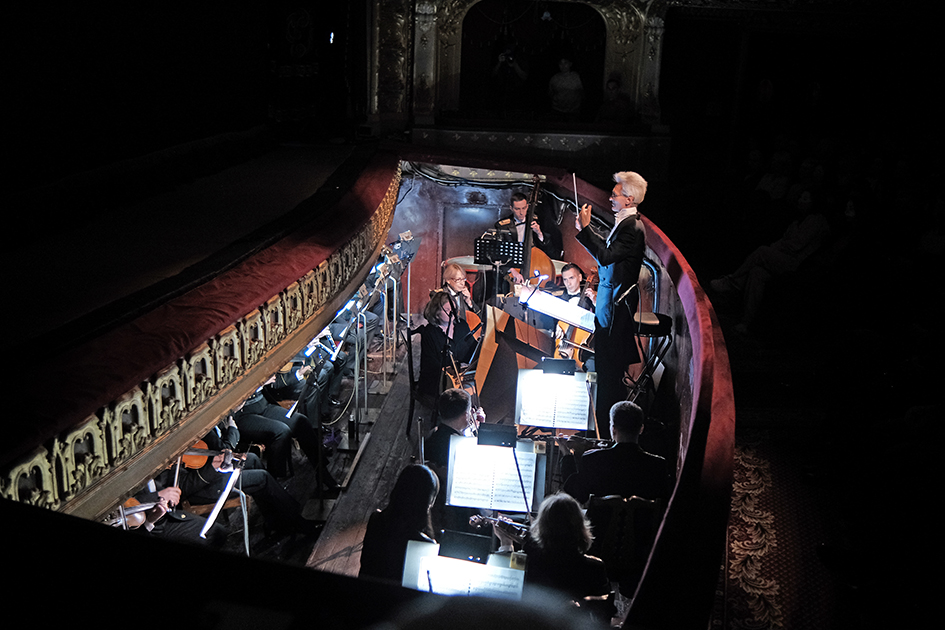
It thus conveys a political message that, in that period, would have been dangerous for all involved. The work would likely have been destroyed. Therefore, according to Prodanchuk’s theory, the composer hid it himself to keep it beyond the reach of absolutist authorities—and thus save it from annihilation.
An Election in the Age of Absolutism
The symbolism of this election also underscores the contrast between Ukraine and Russia. In European Ukraine, after breaking free from the Soviet Union—and thus from Moscow’s rule—a democracy was able to develop. In the “Empire of Moscow,” by contrast, time is being turned back toward absolutism.
From that same “Empire of Moscow” came a disruption to the performance in Chernivtsi: an air raid alert. Russian MiG-31 fighter jets had taken off—the only aircraft in Putin’s arsenal capable of carrying hypersonic missiles. The alert covered the whole of Ukraine. The interruption lasted about half an hour; once Bukovyna was safe again, the performance continued—with even greater enthusiasm, as evidenced by repeated bursts of applause.
A Struggle Against Despotism and for Freedom
As Maestro Makarenko put it:
“Both the opera itself and the timing of its premiere in the midst of war are symbols of the resilience of the Ukrainian people, of the struggle against despotism and for freedom, and of Ukraine’s place in Europe.”



