Facts or Opinion
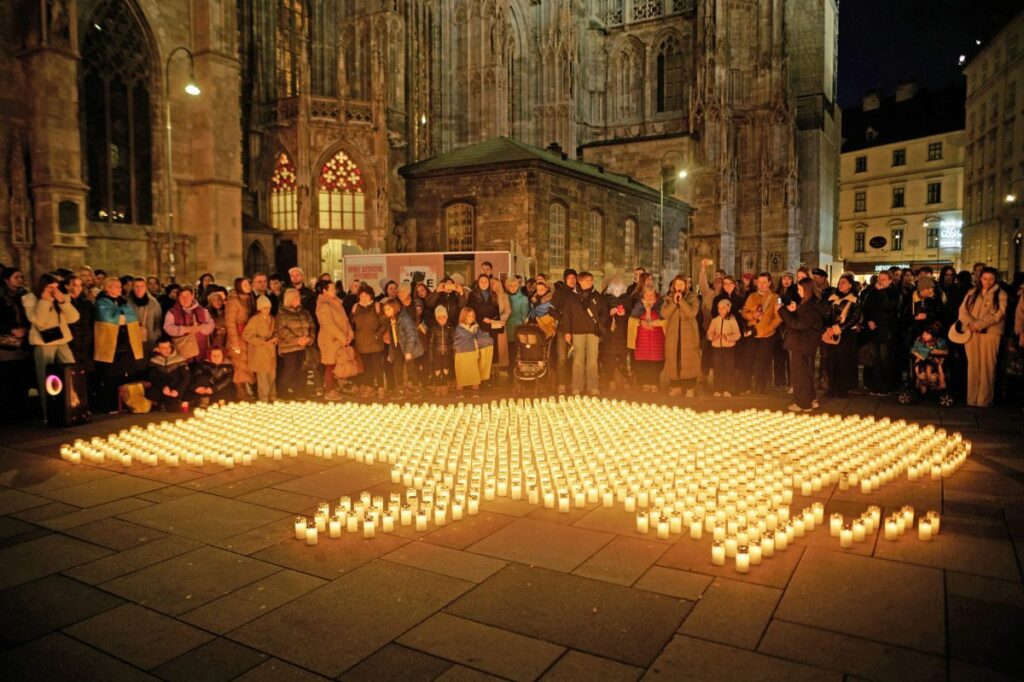
In a post-truth world, truth becomes fragile. For many people, it is no longer facts that count, but their opinion, which they persist in even when it contradicts the facts. This is a development that also threatens democracy. By Anna Pattermann
In 2014, Russia violated the borders, sovereignty, and territorial integrity of Ukraine. In 2022, the Russian Federation launched a full-scale invasion, bombing cities, airports, and critical infrastructure, and attempting to occupy as much territory as possible – with the ultimate goal of storming Kyiv. In 2020, the Covid-19 pandemic began, a global health crisis that claimed millions of lives.
These events represent clear factual truths, as defined by Hannah Arendt: “[They] are always related to other people: they concern events and circumstances in which many are involved; they are confirmed by witnesses and depend on testimony; they exist only insofar as they are spoken about, even if they occur in the private sphere. They are political in nature” (Arendt 1967: 3001).
Despite the obviousness of these events, Russian disinformation campaigns have successfully attempted to reinterpret the invasion as a defensive measure or an internal conflict, thereby transforming factual truths into subjective opinions. Something similar was observed during the Covid-19 pandemic, when authoritarian states unsettled and divided societies through targeted manipulation. This distortion illustrates Arendt’s claim that “factual truth is no more self-evident than opinion”, and underscores the fragility of truth in the political space.
This development is directly related to the concept of the post-truth society. The term “post-truth” was named Word of the Year by the Oxford Dictionary2 in 2016 and describes a reality in which emotions and personal beliefs are given a higher priority than objective facts. This does not mean that facts do not exist, but that they are increasingly overshadowed in public perception by emotional narratives and political interests. In this post-truth world, truth is not abolished, but is coated by repeated reinterpretations and interpretations in such a way that it becomes increasingly difficult to recognise.
This article examines how Arendt’s statement explains the growing concern about disinformation in Western politics. It focuses on mechanisms that allow opinion to overshadow factual truth. In doing so, the article analyses how disinformation exploits vulnerabilities in trust, identity, and institutional authority to manipulate public perception. Particularly relevant here is the question of how truth is not only threatened by lies, but gradually layered over – a kind of “coating” that embeds objective facts into new narrative frameworks. Furthermore, it examines the extent to which self-perception plays a role in whether people are willing to recognise these overlays or instead fit uncritically into pre-packaged patterns of interpretation.
Political Utility of Opinion
Since childhood, we have learned in the game “Name the Opposite” that the opposite of truth is a lie. I was all the more surprised when I read Hannah Arendt’s thoughts on the role of opinion.
The concept of opinion proves to be particularly fascinating and insightful for me. Arendt writes: “Hence the opposite of truth was mere opinion, which was equated with illusion, and it was this degradation of opinion that gave the conflict its political explosive force; for opinion, and not truth, is among the indispensable prerequisites of all power3“.
Factual Truth and Perception
The central mechanism lies in the interaction between factual truth and opinion – or more precisely, in their transformation. Factual truth is objective; it exists independently of us and our perceptions. Opinion, on the other hand, is subjective, shaped by individual perspectives and contexts. As soon as a factual truth is reinterpreted as an opinion, it enters a different sphere in which clear categories of “black and white” merge into countless shades of grey. In this subjective space, different rules apply to the handling of opinions than to truths.
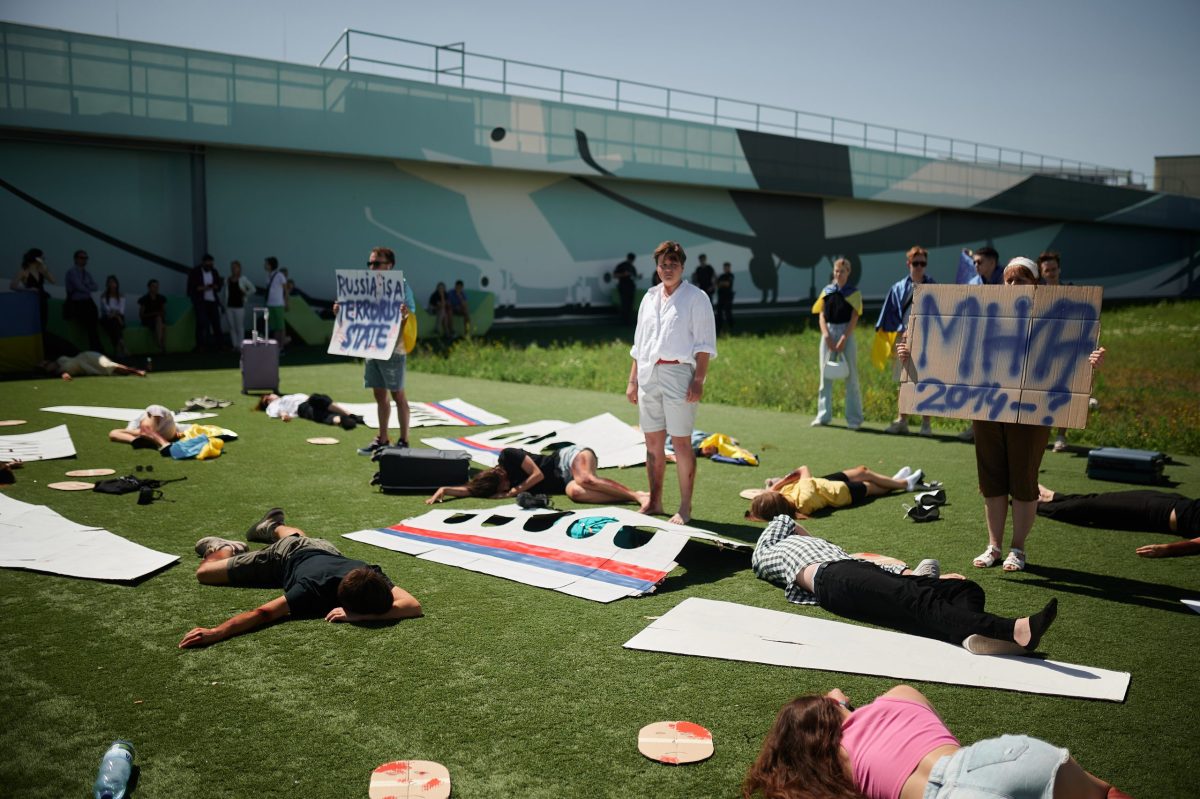
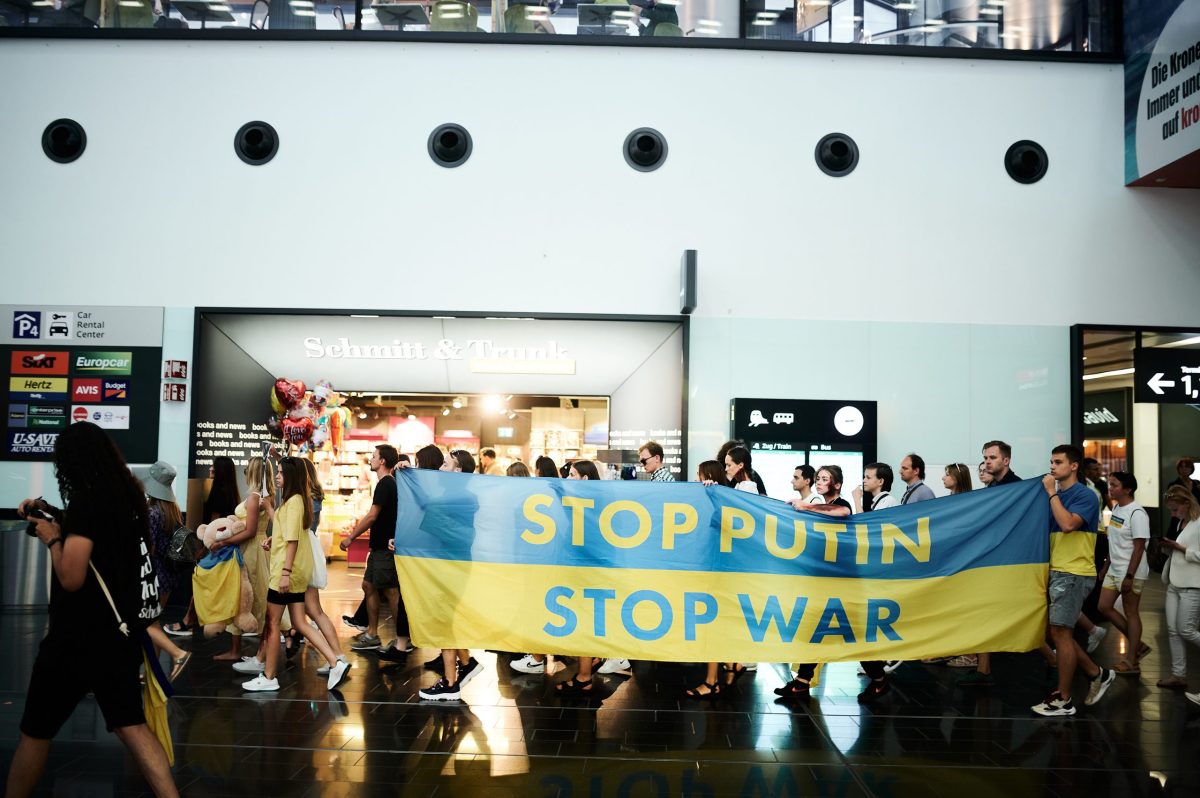
For years, Russian propaganda in Europe has spread disinformation about Ukraine. For example, regarding the downing of MH17.
A particularly insightful example is the downing of MH17. Russia denied responsibility for the attack and flooded the public debate with contradictory theories and misinformation. As a result, the factual truth – that Russia was responsible for the shoot-down – was no longer perceived as an objective given. Instead of discussing appropriate reactions and consequences, the debate was shifted to whether Russia was responsible for the shoot-down at all – and no longer to what measures should follow from it. The same happened with the annexation of Crimea, the invasion of the Donbas, and later with the spread of Covid-19 conspiracy fantasies.
Disinformation campaigns specifically exploit the vulnerability of opinions by blurring the boundaries between factual truths and subjective viewpoints. By reinterpreting facts as mere opinions, they undermine public trust in an objective reality.
As Arendt states: “Factual truth has the task of informing opinions4“. But when the truth contradicts the self-interests, ideology, or well-being of a group, it can lose its authority through collective denial. This denial creates a shared reality based not on truth, but on mutually accepted falsehoods – and these can dominate public perception (Michlin-Shapir 2021: 235). Consequently, the shared reality that is essential for political stability begins to crumble.
As soon as this shift occurs, we live in a world where politics hires PR agents to create narratives, shape opinions, spread disinformation, and promote the consumption of manipulated realities6. This transformation signifies the transition from facts to opinions, from objective realities to subjective perceptions – from a world shaped by truth to one formed by emotions and manipulation.
The Strategy of Organised Lying
Hannah Arendt argues that facts and events, as results of human action and interaction, form the foundation of the political space and are therefore inherently political7. Despite the central importance of factual truth for politics, there is a long-standing tension between truth and political interests, as truth often stands in the way of these interests. While rational truths, such as those in science or philosophy, are mostly challenged by ignorance, error, or illusion, factual truths face unique opponents: deliberate misrepresentations and organised lies. Arendt emphasises that the targeted manipulation of factual truths – what she calls “organised lying” – has become a prominent feature of modern politics, a weapon of such power that it was hardly seriously considered in historical debates on the relationship between politics and truth8.
Modern totalitarian regimes of the 20th century fundamentally changed the nature of organised lying by attacking not just individual facts but entire contexts, thereby creating alternative realities. This systematic manipulation was directed not only against enemies but deceived entire populations, including those who spread it, thus blurring the line between deception and self-deception9. Arendt warns of the ultimate danger of such lies: the possibility of permanently extinguishing factual truth and replacing it with constructed narratives while historical revisionisms gain power. If Hitler had won the war, for example, he could have claimed that Belgium had attacked Germany, and this alternative version of history could have become the unchallenged “reality” through the monopoly on power10.
Cooperation of Totalitarian States
This strategy is evident in numerous cases of Russian disinformation about the war in Ukraine – starting in 2014, when Russia denied its own invasion, up to the present, where a deceptive facade of relative peace continues to be maintained. Authoritarian states cooperate with each other ideologically, economically, and militarily by supporting Russia with weapons and troops in its war against Ukraine,
while simultaneously using subtle rhetorical strategies to obscure reality and not call things by their name – thus constructing an alternative reality step by step, in which perpetrators become victims and aggression appears as self-defence.
The Layers of Perception
Hannah Arendt emphasised that factual truth is not self-evident, but depends on witnesses, reporting, and public recognition. In an era where disinformation plays an increasingly large role, however, the question arises whether truth is actually only threatened by lies – or whether it is rather transformed by a gradual layering of narratives and political interests. Modern media theories show that facts do not exist independently of their representation. They are not simply given realities, but constructions shaped by social and political processes. Truth often remains, but it is “coated” with every layer of interpretation and mediation, so that it appears increasingly distorted in public perception.
This overlay is particularly evident in political narratives that weave facts with emotionally charged opinions. One example of this is the Brexit campaign. One of the central claims was that Great Britain paid £35011 million a week to the EU – a sum that could allegedly flow into the National Health Service instead. Although this statement was demonstrably false and was refuted several times, it developed an enormous political impact through targeted repetition, simplification, and emotional charging. In public perception, the original factual truth – the actual economic and political consequences of leaving the EU – was increasingly layered over. The result was a deeply divided society in which opinions about Brexit were no longer primarily based on verifiable facts, but on emotionally shaped narratives.
This reveals a central feature of the modern crisis of truth: it is not simply abolished, but layered over – just as different layers of paint on a canvas can make an original image invisible.
Shattered Trust, Fragmented Reality
The fragility of truth is not only a consequence of lies, the transformation of truths into opinions, or the layering of truth, but also of a general loss of trust in institutions. As Bruno Latour12 emphasises, facts do not exist in isolation but are supported by social and institutional contexts. When this trust wanes, even well-documented facts lose credibility. This decline in truthfulness is closely linked among academics to a broader crisis of trust in traditional institutions. Bennett and Livingston13 argue that decades of neoliberal policies, combined with manipulative practices in political campaigns and state communication, have systematically devalued democratic institutions, undermined public trust in authoritative legitimacy, and destabilised the shared reality that is essential for a functioning democracy14.
Michlin-Shapir illustrates these developments using manipulative practices, such as the use of information for financial or political purposes during the Vietnam and Iraq Wars. Such strategies, according to Michlin-Shapir, “come at the expense of public trust in the statements of traditional authoritative voices and institutions15“.
Technological advances and the rise of social media amplify these trends by accelerating the spread of narratives and creating so-called “filter bubbles” that isolate individuals in ideologically like-minded information spaces. This dynamic, coupled with a crisis of trust, deepens social polarisation by fragmenting shared realities and further solidifying the post-truth condition16.
When we look more closely at the roots of the crisis of trust, Bruno Latour’s argument, cited by Bernard E. Harcourt17, provides a crucial insight into the challenges of truth in today’s society. Latour emphasises that while global climate change is a factual reality, it is not universally recognised as such because facts are inherently based on trust. A fact cannot exist autonomously, independent of the social fabric – it depends on who presents it, how it is established, and in what context it is communicated. While factuality is essential, facts must integrate into shared social life to endure18.
Latour highlights that a shattered society – characterised by fraud and exploitation – does not offer fertile ground for the cultivation of trust and the preservation of truths. Facts, he argues, “do not stand by themselves”. They require functioning institutions, a robust public sphere, and collective practices to be accepted and believed. Simply repeating or teaching facts in isolated form is not enough; they must be embedded in a shared reality and supported by a coherent and trustworthy social framework (ibid.).
The Role of Identity in the Post-Truth Era
When we look more closely at the roots of the loss of trust, according to Michlin-Shapir, it becomes clear that the interplay of economy, disinformation, and identity-centred politics is not just a symptom, but a fundamental cause of the post-truth reality19. She emphasises that while the connection between neoliberal economic policy and disinformation is crucial, it is not complete. Without addressing the long-standing injustices, economic inequalities, and social disparities created by decades of neoliberal policy, disinformation will continue to be an attractive tool for actors pursuing disruptive political and economic goals (ibid.).
At the heart of disinformation is the mobilisation of identity, which plays a crucial role in influencing public perception20. She explains that “the current wave of disinformation is hardly imaginable without the seductive power of identity mobilisation” (ibid.). During the 2016 US presidential election, the Russian Internet Research Agency (IRA) specifically relied on emotional appeals to national, religious, and ethnic identities by running Facebook ads aimed at “stoking emotions on both sides of the political spectrum21“. This shows how identity-based politics is used to polarise societies and amplify disinformation.
This dynamic leads to a feedback effect: economic hardship creates psychological and social conditions that favour identity politics, undermine trust in institutions, and further fuel the spread of disinformation. Michlin-Shapir22 underscores this mechanism and highlights that disinformation and identity mobilisation are mutually reinforcing processes that destabilise global economic and political structures.
Globalisation and Identity
Globalisation and neoliberalism have broken up the routines and social structures that once offered individuals stability, thereby creating a profound uncertainty – a phenomenon that Anthony Giddens calls “ontological insecurity”23. This psychological state promotes fear and makes people more susceptible to identity-based political mobilisation – a dynamic that is specifically exploited by disinformation campaigns.
Michlin-Shapir24 criticises the one-sided academic focus on the perpetrators of disinformation and points out that the audience as the recipient of such campaigns is often neglected. While state actors are frequently studied in the context of “information wars”, disinformation campaigns – especially online – are based on a sender-receiver principle, where the audience’s willingness to receive the message is crucial. Fears and revanchist feelings within the population, amplified by unresolved identity conflicts, create vulnerabilities that are specifically used for manipulation and disinformation25.
As Michlin-Shapir26 emphasises, “identity cannot be separated or excluded from the discussion about the loss of public trust and the rise of disinformation.” The vulnerabilities created by the current economic and political system must not be ignored, as they play a central role in maintaining the post-truth reality. This is particularly evident in the rise of populist movements such as the New Right, which mobilise their supporters with nationalist and identity-based narratives27. Such movements use disinformation and emotionally charged rhetoric to create simple but effective dichotomies such as “us versus them”. They offer their supporters immediate emotional satisfaction instead of rational, long-term solutions28. By presenting their policies as the protection of national identity and sovereignty, they appeal to people disillusioned by globalisation, while simultaneously undermining democratic discourse through divisive and destructive tactics29.
This identity-centred form of populism is directly related to Arendt’s observations about the fragility of factual truth in the political space. When public discourse is no longer determined by rational debate but by emotional manipulation, the shared reality that is essential for a democratic society disintegrates. As a result, authoritarian narratives increasingly gain momentum. Addressing these dynamics requires not only combating disinformation but also rebuilding trust and promoting inclusive narratives that resist the temptation of identity-based polarisation30.
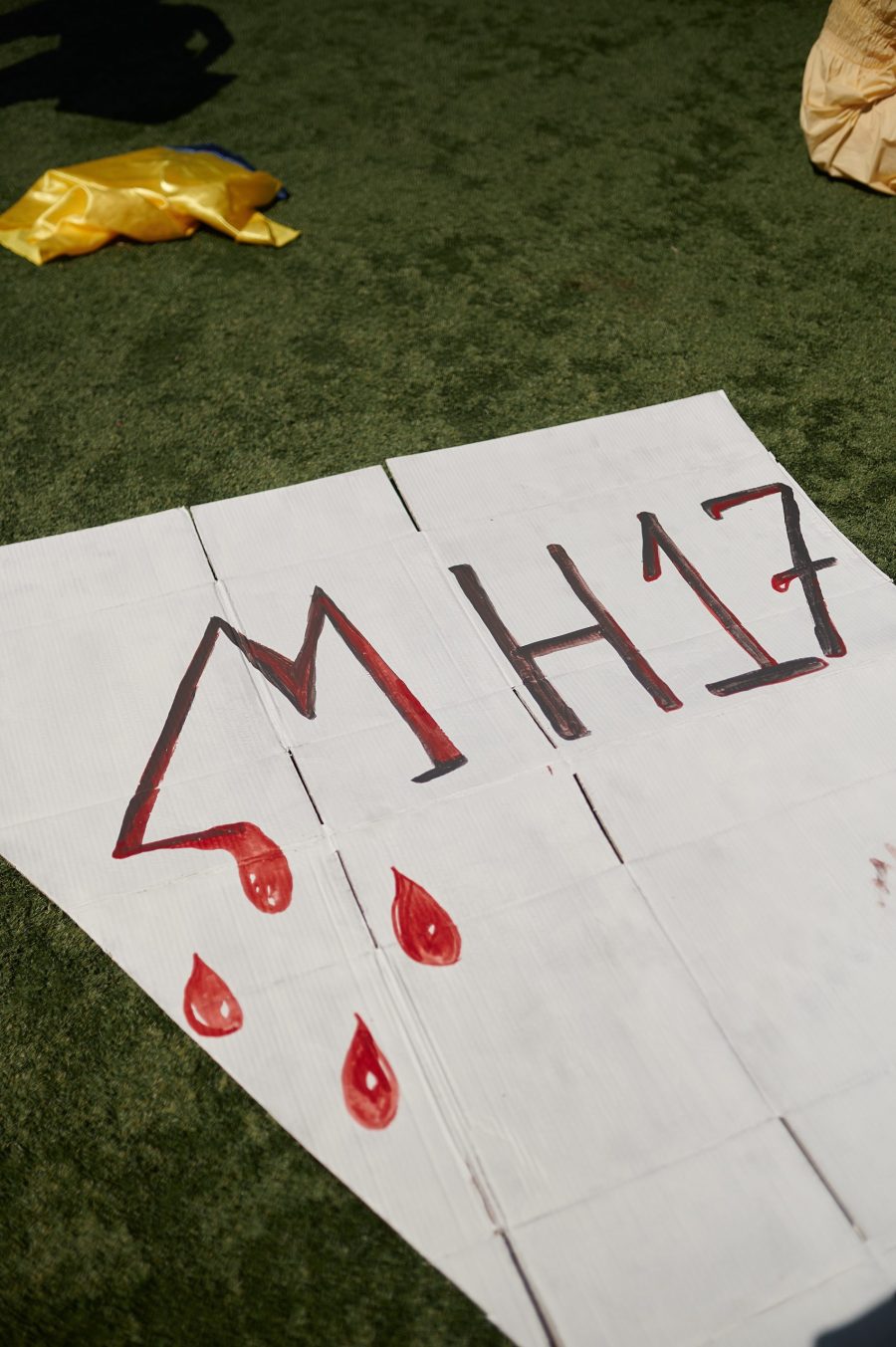
A particularly insightful example of opinion manipulation and disinformation is the downing of MH17. Russia denied responsibility for the attack and flooded the public debate with contradictory theses and misinformation. As a result, the factual truth – that Russia was responsible for the shoot-down – was no longer perceived as an objective given. Instead of discussing appropriate reactions and consequences, the debate was shifted to whether Russia was responsible for the shoot-down – and no longer to what measures should follow from it.
Arendt’s observation that “factual truth is no more self-evident than opinion” gets to the heart of the central challenge of disinformation in Western politics. Factual truths – unlike rational truths – are fragile and based on trust, a resource that has been systematically eroded by various factors. The scholars discussed here argue that decades of neoliberal policies, manipulative practices, and technological upheavals have blurred the boundaries between truth and opinion. As a result, factual reality has become a contested space vulnerable to propaganda and disinformation.
The example of the Russian invasion of Ukraine illustrates this transformation in a particularly drastic way. Through targeted disinformation campaigns, Russia’s obvious aggression was reinterpreted in narratives of “civil war” or “self-defence”. This shows that organised lying can not only distort truths but gradually replace them with false opinions – leading to the creation of an alternative reality. This process exploits the vulnerabilities created by social inequalities, ontological insecurities, and the emotional power of identity mobilisation, leaving behind divided and politically destabilised societies.
Truth as Conscious Thinking and Action
In the course of this analysis, I have realised that the most powerful weapon of authoritarian states is not merely disinformation – it is the construction of an alternative reality that finds acceptance, consciously or unconsciously, in the Western world. Arendt’s insight underscores the urgency of protecting truth as a political foundation. In times of crisis, societies need a moral compass for politics based on truth and shared values.
However, the protection of truth requires more than just refuting lies – it begins with a conscious handling of opinion. The central challenge of our time is not only to expose untruths but to understand how truth is layered over by political and media processes.
In a world where disinformation is used systematically, it is not enough to point to objective facts – it requires a deeper reflection on the structures that transform truth into opinion.
Particularly crucial here is the role of self-perception: people tend to adopt opinions that confirm their worldview and to ignore or actively reinterpret contradictory information. Studies show that there is a fundamental difference between Argue to Learn and Argue to Win. While Argue to Win aims at defending existing beliefs and systematically blocks out new perspectives, Argue to Learn promotes a knowledge-oriented attitude that increases the likelihood of approaching factual truth.
Therefore, it is important to critically reflect during a conversation whether one is currently in the mode of arguing to win or arguing to learn – because this inner attitude significantly influences the direction and quality of the debate.
Disinformation and Emotional Intelligence
Here, emotional intelligence (EI) could play a crucial role in reducing the seduction of disinformation. Many people who do not have a strong awareness of their own emotions or do not reflect on how these influence their perception drift along like fish in the current of political trends – they absorb narratives uncritically as long as they are emotionally appealing, even if they lack a factual basis. This lack of capacity for reflection often leads to defensive protective mechanisms such as protectionism, which harmonises with the rhetoric of right-wing populist parties.
Not Clinging to Misleading Narratives
By promoting emotional intelligence, individuals could better understand their reactions to fear, uncertainty, and identity threats, and thereby make more critical judgements about the political context. This would enable them to adapt in a rapidly changing world instead of clinging to misleading but emotionally effective narratives.
Awareness of the fragility of factual truths, the importance of emotional intelligence, and the need to critically question one’s own perception and thought processes is crucial to countering disinformation and preserving the integrity of democratic discourse. Arendt’s insights, supplemented by an emphasis on self-reflection and emotional resilience, offer a perspective to confront the forces that aim to undermine truth and divide society. This view invites us not only to rethink the role of truth in politics but also the need to strengthen the emotional and cognitive abilities of the individual to cope with the complexity of a post-truth world.
© Photos: Valerie Maltseva
Footnotes and References
1Arendt, H. (1967) ‘Truth and Politics’, The New Yorker, 25 February. Reprinted in Between Past and Future (1968), The Portable Hannah Arendt edited by Peter Baier (2000), and Truth: Engagements Across Philosophical Traditions edited by Medina and Wood (2005).
2Oxford Languages. (2016). Word of the Year 2016: Post-truth. Available at: https://languages.oup.com/word-of-the-year/2016/ [Accessed 30 January 2025].
3Arendt 1967: 297.
4Ibid: 302.
5Michlin-Shapir, V. (2021) ‘The Long Decade of Disinformation’, Defence Strategic Communications, 9, pp. 17-33. doi: 10.30966/2018.RIGA.9.5.
6Macnamara, cited in Michlin-Shapir 2021: 22
7Arendt, 296
8Ibid.
9Arendt, 297
10Arendt, 302
11BBC News (2016). EU referendum: The claim that won the referendum – and was wrong. BBC News, 10 April. Available at: https://www.bbc.com/news/uk-politics-eu-referendum-36040060 [Accessed: 30.01.2025].
12Latour, B. (2018). Down to Earth: Politics in the New Climatic Regime. Translated by C. Porter. Cambridge: Polity Press. Cited in: Harcourt, B.E. (2019). The Last Refuge of Scoundrels: The Problem of Truth in a Time of Lying.
13Bennett, W.L. and Livingston, S. (2020) ‘A Brief History of the Disinformation Age: Information Wars and the Decline of Institutional Authority’, in W.L. Bennett and S. Livingston (eds.) The Disinformation Age. Cambridge: Cambridge University Press (SSRC Anxieties of Democracy), pp. 3–40.
14Bennett & Livingston, 2020, cited in Michlin-Shapir 2021: 22–23
15Michlin-Shapir, 2021: 23
16Harcourt, 2019; Bennett & Livingston 2020
17Harcourt, 2019: 12f
18Latour, cited in Harcourt 2019: 12
19Michlin-Shapir 2021: 26
20Michlin-Shapir, 2021: 27
21Ibid.
22Ibid.
23Giddens, cited in Michlin-Shapir, 2021: 28.
24Michlin-Shapir, 2021: 28f
25Michlin-Shapir, 2021: 29.
26Michlin-Shapir, 2021: 28
27Harcourt, 2019.
28Harcourt, 2019: 13
29Bennett & Livingston, 2020: 10–12.
30Michlin-Shapir, 2021: 30; Harcourt 2019: 14.
Primary Literature
• Arendt, H. (1967). ‘Truth and Politics’, The New Yorker, 25 February. Reprinted in Between Past and Future (1968), The Portable Hannah Arendt, edited by Peter Baier (2000), and Truth: Engagements Across Philosophical Traditions, edited by Medina and Wood (2005).
• Bennett, W.L. and Livingston, S. (2020). ‘A Brief History of the Disinformation Age: Information Wars and the Decline of Institutional Authority’, in W.L. Bennett and S. Livingston (eds.), The Disinformation Age. Cambridge: Cambridge University Press (SSRC Anxieties of Democracy), pp. 3–40.
• Harcourt, B.E. (2019). The Last Refuge of Scoundrels: The Problem of Truth in a Time of Lying. Columbia Public Law Research Paper No. 14-628. Available at: https://scholarship.law.columbia.edu/faculty_scholarship/2520 [Accessed 30 January 2025].
• Michlin-Shapir, V. (2021). ‘The Long Decade of Disinformation’, Defence Strategic Communications, 9, pp. 17–33. doi: 10.30966/2018.RIGA.9.5.
• Oxford Languages (2016). Word of the Year 2016: Post-truth. Available at: https://languages.oup.com/word-of-the-year/2016/ [Accessed 30 January 2025].
Secondary Literature
• Bennett, W.L. and Livingston, S. (2020). ‘A Brief History of the Disinformation Age: Information Wars and the Decline of Institutional Authority’, in W.L. Bennett and S. Livingston (eds.), The Disinformation Age. Cambridge: Cambridge University Press (SSRC Anxieties of Democracy), pp. 3–40. Cited in Michlin-Shapir, V. (2021), ‘The Long Decade of Disinformation’.
• Giddens, A. (1991). Modernity and Self-Identity: Self and Society in the Late Modern Age. Stanford, CA: Stanford University Press. Cited in Michlin-Shapir, V. (2021), ‘The Long Decade of Disinformation’.
• Latour, B. (2018). Down to Earth: Politics in the New Climatic Regime. Translated by C. Porter. Cambridge: Polity Press. Cited in Harcourt, B.E. (2019), The Last Refuge of Scoundrels: The Problem of Truth in a Time of Lying.



