Spanish Conundrums
Spain accuses Russia of seeking to undermine the stability of the kingdom and the EU through its interventions in Catalonia. Yet, on the Kosovo question, Madrid plays directly into Moscow’s hands. A commentary by Rainhard Kloucek.
Politics is not always logical. Occasionally, however, it is so illogical that one can only shake one’s head. Spain provides a current example, linking the so-called separatist aspirations in Catalonia on the one hand, with the non-recognition of Kosovo on the other. Spain is one of five EU countries that do not recognise Kosovo’s independence. Apart from Spain, Kosovo’s relationship with all other non-recognising EU countries is quite relaxed. Kosovo citizens can travel to these countries without problems using a Schengen visa, government-level contacts are normal, and there are no blockades regarding the Balkan state’s EU ambitions.
Spain alone pursues a policy clearly directed against Kosovo. For instance, Schengen visas for Kosovars are not valid in Spain. Citizens of Kosovo are not permitted to enter Spain.
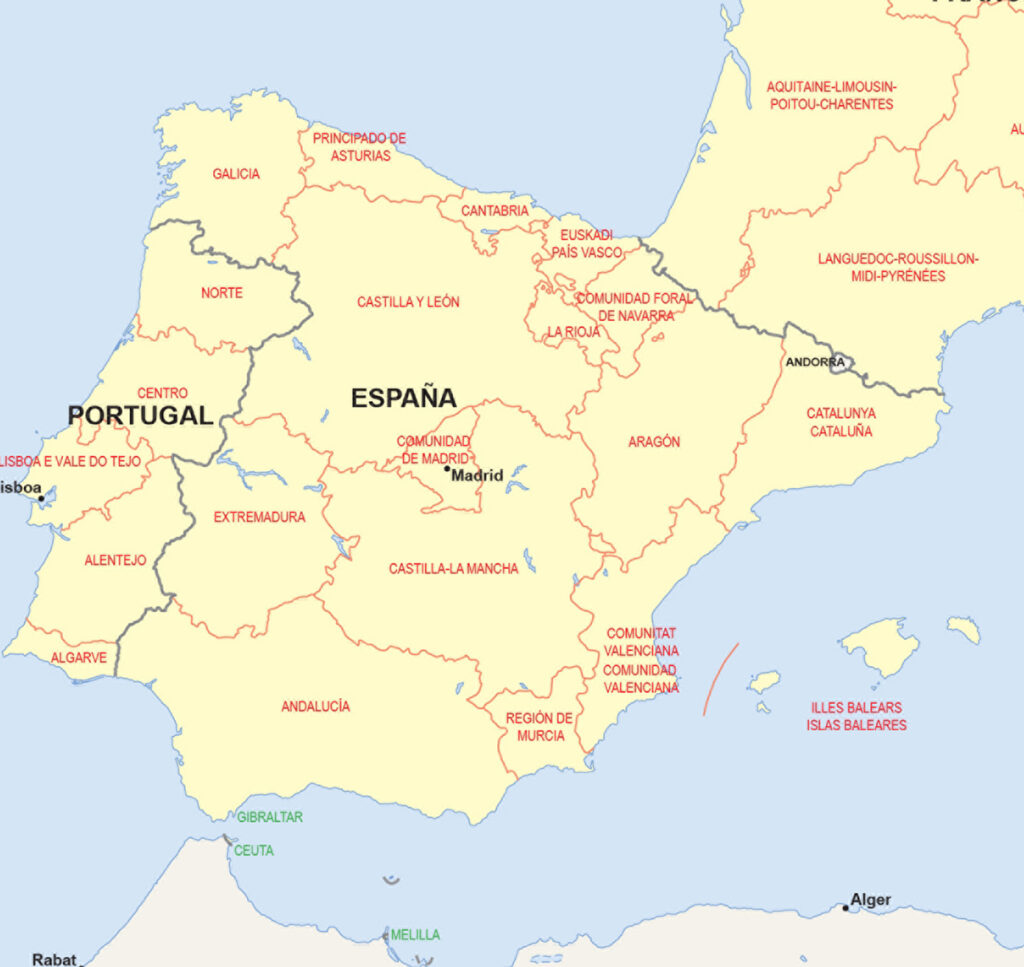
One reason for Spain’s obstructive stance is the conflict over separatist aspirations in Catalonia, which are completely unacceptable to the government in Madrid. Meanwhile, concrete accusations are being made by Spain that Russia is deeply involved in these Catalan separatist efforts, aiming to destabilise the country and weaken the EU. The Spanish judiciary is investigating the Russian secret service, which is allegedly orchestrating the operation. Anyone following Moscow’s policies will quickly conclude that such an operation by the Russian secret service is highly probable.
And this is precisely where the absurdity of Spain’s refusal to recognise Kosovo’s independence lies. On the international stage, Russia is one of the main actors opposing Kosovo’s recognition. This stems partly from its historical support for Serbia, and partly from its equally historical efforts to destabilise the Balkan region.
Therefore, anyone who refuses to recognise Kosovo supports one of Moscow’s major foreign policy objectives. Especially with the investigation into Russian destabilising influences in Catalonia, Madrid should consider what purpose the non-recognition of Kosovo serves. The likelihood of this happening in Spain, however, is low. The Iberian policy on this issue is too deeply marked by incomprehension and ignorance.
© Featured image: European Union



