Who needs the election campaign?
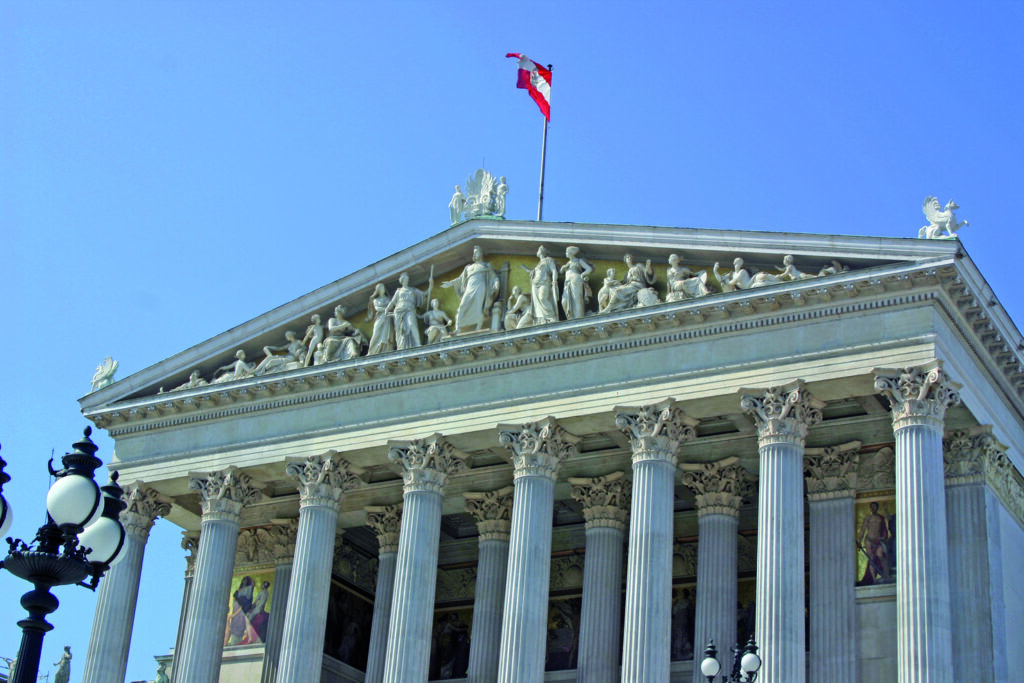
In less than two weeks, it will be over: the campaign for the 2017 National Council election. It has already delivered some very low surprises. One only needs to think of the past few days. And it will bring even lower surprises yet. Much is at stake: access to power, money, and positions. A commentary by Rainhard Kloucek.
Increasingly, this election campaign is narrowing in the media to a confrontation between the top candidates. The rest of the candidates, striving for the 183 seats in the National Council, are only noticed at smaller events. The actual idea of representative democracy—sending representatives of the citizens, organised in constituencies, to parliament—has long since vanished. The dominant question is: who can lay claim to the post of Chancellor?
The election campaign, we are repeatedly told, must be short. Then work can resume. But why must a campaign be short? Why is such a campaign needed at all? It may be that the challengers, the newcomers, need one. But for established candidates who already hold a mandate, should their past work not be their best recommendation?
The ideal case of an MP
Take the ideal case of an MP from a constituency. In parliament, he advocates for ensuring the tax burden on citizens does not become too high; he fights bravely against additional bureaucracy; he allies himself with other MPs to set boundaries for and push back the increasingly powerful, all-regulating welfare state. He does not allow himself to be degraded into a mere hand-raising machine for the chambers or the government and its legislative proposals. If his party provides members of the government, he does not see his task as helping these government members gain more state influence, but rather as helping citizens achieve more freedom and thus more initiative and personal responsibility.
This MP would be in regular contact with the citizens in his constituency; the local media would write about his fight against increased state influence and report on his voting record. The work performed over the years would be his election promise; the campaign would focus on his track record, which would already be known anyway. Only potential challengers in this constituency would have to try to present an even better programme for the people. This would require no mud-slinging, but concrete ideas. Neither the incumbent nor the challengers would need to hand out any election sweeteners.
The mature citizen can provide for his own life
Nor would they try to make their potential voters believe that, in the event of an election victory, they would be able to procure any special financial advantages for specific interest groups. The people in their constituency would know that everything intended to land with them through redistribution must come from somewhere else. And they would be so shrewd in their assessment of the situation that they would know others would then also get the idea of taking something from them to give to others. For ultimately, the mature citizen knows that he himself has the duty to provide for his life, not the state.
Election campaigns as we are currently experiencing them would therefore not be necessary at all in such a democratic society. It could, of course, be that people can do nothing at all with so much freedom, and therefore gladly allow themselves to be seduced by promises that the state will take care of them.
Rainhard Kloucek is Secretary General of the Paneuropa Movement Austria and a member of the Presidium of the Paneuropean Union.



