The Near-Unanimity on Europe
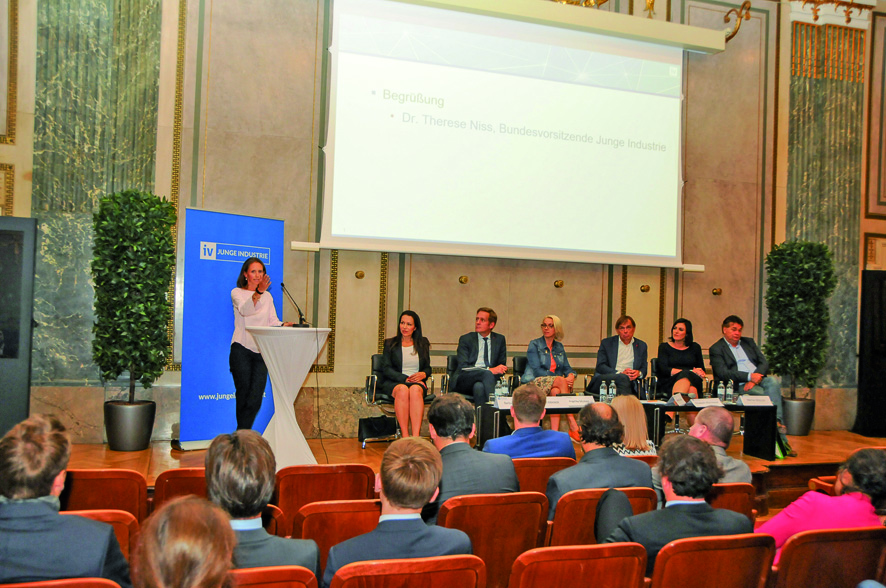
As usual, Europe is playing a rather subordinate role in the Austrian election campaign. All the more gratifying, then, is the initiative by Junge Industrie, which hosted a debate at the Haus der Industrie. A brief review of the positions, summarised by Rainhard Kloucek.
How do you get an SPÖ politician (Kai Jan Krainer) to defend an FPÖ politician (Barbara Kappel)? By having the moderator (ORF journalist Gerhard Jelinek) ask for word-rap answers to the questions “Brexit” and “Öxit”. Kappel says: Brexit bad, Öxit bad. The moderator suggests that this is not necessarily a given for her party. Krainer jumps in to defend her: There has been no anti-EU statement from Kappel.
This scene took place at a Junge Industrie event entitled “Vision or No Vision – The Future of Europe”. Alongside the aforementioned politicians, Angelika Mlinar (Neos), Werner Kogler (Greens), and ÖVP Secretary General Elisabeth Köstinger discussed the future of Europe as the hot phase of the National Council election campaign began. The three ladies on the podium are members of the European Parliament, while the two gentlemen are members of the Austrian National Council.
Brexit – a good idea (or not)?
The question of Brexit and its potential consequences surfaced repeatedly throughout the discussion. There was consensus that the British decision to leave was neither a good nor a well-thought-out idea; nor are imitators expected.
Angelika Mlinar reported on tough negotiations, particularly regarding the future of EU citizens in the UK. Elisabeth Köstinger raised the question of where the structural flaws in the EU lay that could lead to such a disastrous decision—one that will result in damage for both sides.
Krainer pointed to the domestic political motives of David Cameron (former British Prime Minister). However, the SPÖ politician can certainly imagine a second referendum on the outcome following the withdrawal negotiations. If a majority were then against it, Brexit would be cancelled.
Werner Kogler—who spoke of a possible “soft-exit from Brexit”—wants to prevent a situation of cherry-picking by the British. He complained about the many special concessions already granted to the island nation, ultimately describing the United Kingdom as the largest floating sausage stand.
Barbara Kappel expects a transitional solution. Seeing the chaos of the British withdrawal negotiations, she believes no country would entertain the idea of speculating on leaving the EU.
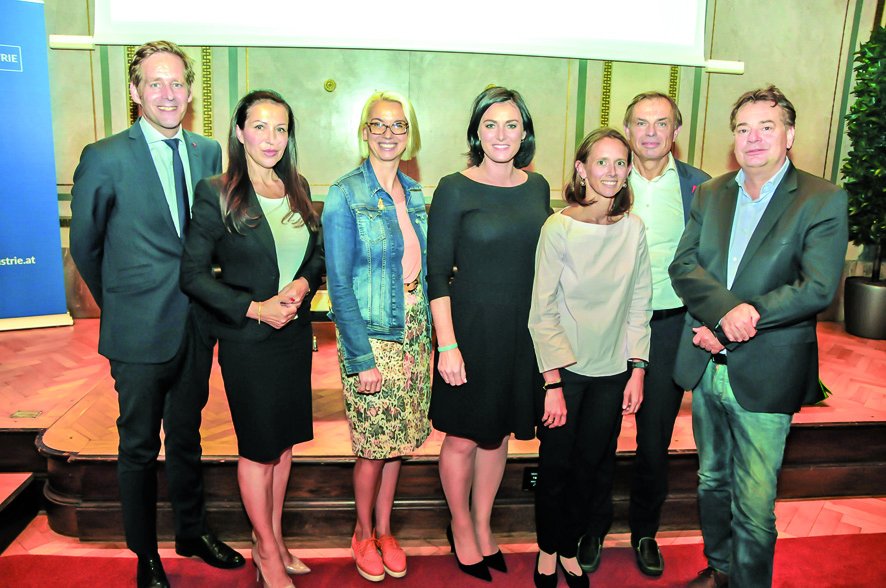
From left: Kai Jan Krainer (SPÖ), Barbara Kappel (FPÖ), Angelika Mlinar (Neos), Elisabeth Köstinger (Liste Kurz), Therese Niss (Chairwoman of Junge Industrie), Gerhard Jelinek (Moderator, ORF), Werner Kogler (Greens). Photo credit: Markus Prantl
The answer to the question of what the consequences of the British withdrawal will be for the EU budget remains open. It was agreed, however, that this is one of the major challenges for the negotiations on the next EU budgetary framework. After all, the UK contributes approximately eleven billion euros to the EU, a sum that other member states are unwilling to take over, nor is there any agreement on where budget cuts could be made.
Taxation and Ideology – The Connection Emerges
Ideological differences only became apparent regarding the question of potential new sources of revenue for the EU—namely EU taxes or tax harmonisation within the EU. Arguing in a purely socialist vein, Krainer stated that tax competition was the problem for the functioning of the EU. In typical Green fashion, Kogler launched into a lengthy economic explanation, leaving only the message that he favoured a corridor, at least for the corporate tax base. Mlinar, in a move not at all liberal, also warmed to this position, while her MEP colleagues Kappel and Köstinger spoke out in favour of competition.
A Babylonian confusion of tongues broke out when moderator Jelinek asked for a brief statement on the question of further negotiations with Turkey. Barbara Kappel pleaded for an end to negotiations, noting that the mistakes in this entire matter go back a long way, though one should not overlook that Turkey is an important trading partner. Jan Krainer wanted to integrate Turkey into the peace project but denied it any capability for EU accession. Angelika Mlinar brought the diction of the European Parliament into play, which called for a freeze on accession talks, but pointed out that Turkey was nonetheless a partner. Finally, Elisabeth Köstinger spoke of a privileged partnership for Turkey.
Green and Blue – A New Love?
As expected, the part of the event dealing with the issue of asylum and migration ended in disagreement. While there was consensus that protecting external borders was one of the major issues the EU must address, the path to achieving this remained open.
When Werner Kogler made a positive remark about a statement by Barbara Kappel at the end, a guest in the audience posted something about the “new love between Green and Blue” on the displayed online discussion. This was too much for the moderators of the online discussion, who switched to a still image showing the names of the participants. The chronicler’s neighbour had just typed a question into his smartphone asking whether the date for the presentation of the Liste Kurz election manifesto was now fixed for 16 October. Too late. The discussion was coming to an end anyway. Gerhard Jelinek summarised that there was almost total unanimity among the debaters: “We’ll manage the rest during the campaign.”



