MEP in the Sandbox
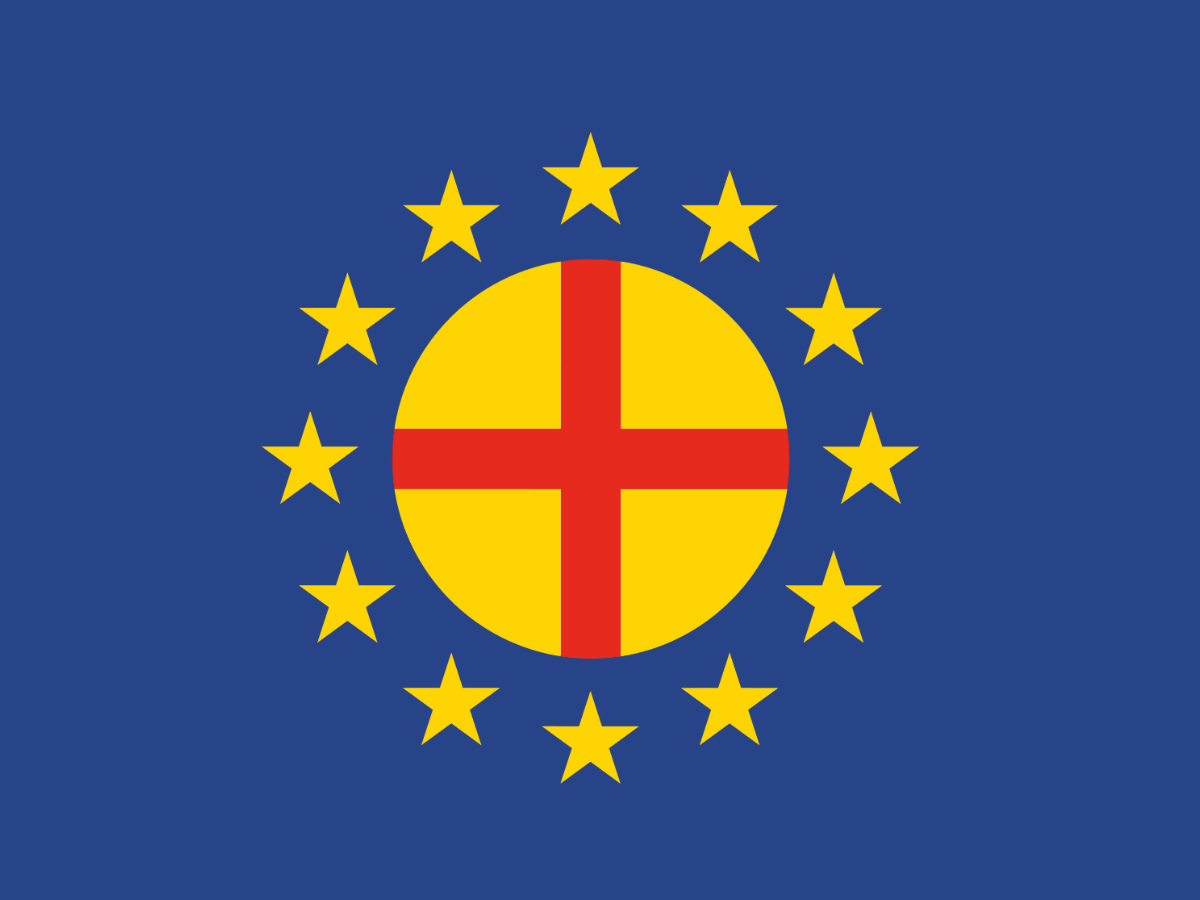
Indeed, the European Parliament is finally flexing its muscles and showing the Americans a thing or two. This is probably what some MEPs were thinking when, on 2 March, they called for the introduction of visas for US citizens entering the EU in a resolution (non-legislative). The Commission is now expected to prepare corresponding legislative measures within two months.
The background to this decision is the US entry regime, under which EU citizens from Bulgaria, Cyprus, Poland, and Romania require a visa to enter the USA. Reciprocity is the fine buzzword that served as a guideline for the MEPs in their decision. However, this is not intelligent. It is more reminiscent of small children in a sandbox arguing over who broke the digger, rather than politicians who aspire to shape global policy. It is roughly the level of insight attributed to the new US President Donald Trump, rather than the foresight of those who once began the project of European unification.
The USA has no reason to react and relax its entry regulations. Visas for US citizens also bring no security gains. All that will increase is bureaucracy. The costs for European taxpayers and US travellers to Europe will rise.
The argument for reciprocity is completely misguided. Both in the specific case of visa regulations and in general. EU citizens have long been able to enter Ukraine or Kosovo without a visa (even if the two countries do not yet have diplomatic relations with each other), yet the EU requires citizens of these two European states to have a visa to enter the EU (Schengen Area). Reciprocity, taken to its logical conclusion, would mean that the treatment of foreigners would depend on how their respective home country treats foreigners. So, for example, we would have to forbid all Saudis coming to the EU from practising their religion, because Saudi Arabia forbids the practice of the Christian faith. We would have no problem with Syrians, and it already gets difficult with Turkey. The system of reciprocity is unmanageable simply because of its numerous individual cases. That is why Europe developed the rule of law.
But such decisions arise when decisions are not based on calculating political reason, but on the law of bureaucracy. As Richard Coudenhove-Kalergi, the founder of the Paneuropean Union, so eloquently put it in his acceptance speech for the first Charlemagne Prize of the City of Aachen in 1950: “The bones of the diplomats who once, for these or those long-since powerless reasons, placed these walls between peoples, have long since decayed, but their works continue to be inherited like an eternal disease from generation to generation! Should we not put an end to this senile political system? Should we not assign the customs officers and passport writers to a value-creating activity?”



