Accession negotiations with Macedonia
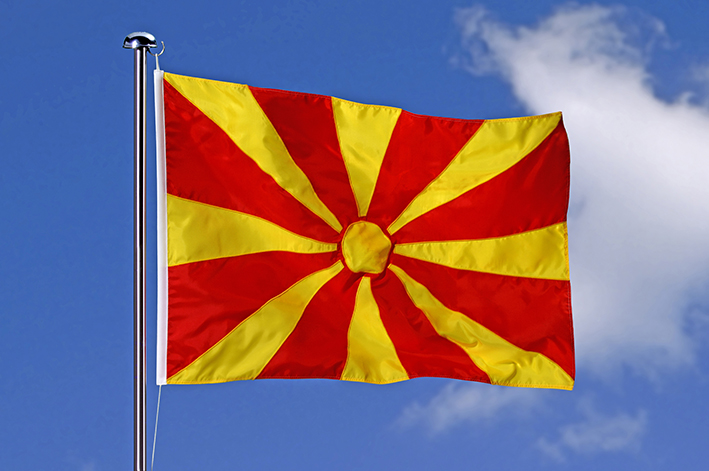
Statement of Paneuropa Macedonia on the occasion of the start of the first phase of the negotiations for full membership of the Republic of Macedonia in the European Union. A German translation of the statement can be found below.
The French proposal, as a harmonised version of the Negotiating Framework between Bulgaria, Macedonia and the European Council presided over by France, for starting negotiations of the Macedonian state with the Union, was a precedent in the process of the expansion of the Union.
The Union deviated from its value standards and for the first time installed in the Negotiating Framework, in Article 5, the bilateral friendship agreement between Macedonia and Bulgaria as an integral part of the Negotiating Framework, together with the Copenhagen criteria and the provisions of the Stabilisation and Association Agreement. In conditions where there are no territorial and border problems between Macedonia and Bulgaria, with the normal development of economic, energy, trade, tourist and civil communications, the insertion of a bilateral agreement in which the key elements are history, culture and an asymmetric attitude towards fundamental human rights by favouring the Bulgarian interest, it means a violation of the European acquis and a double European standard applicable only to the Macedonian state. If the bilateral issues of relations with the neighbours were a condition for starting negotiations of Cyprus, Bulgaria, Romania and Croatia with the Union, those countries would never be members of the Union.
The condition for the Union to start negotiations with Macedonia is that the Macedonian state changes its Constitution and includes the Bulgarians in the preamble of the Constitution. At the same time, it is not a request of Macedonian citizens with Bulgarian self-awareness, but external pressure, dictation and blackmail from the Bulgarian side towards Macedonia. It would be principled and consistent for the Union to condition Bulgaria to fulfil the 14 judgements of the Court of Human Rights in Strasbourg, due to non-respect of the right to civil association of Bulgarian citizens with Macedonian self-awareness!
For these reasons, the Macedonian citizens met this proposal with revolt and indignation, which, despite the huge public dissatisfaction (according to public opinion, 72.8 per cent were against the proposed Negotiating Framework), was adopted by 68 votes in the parliament, while 52 votes abstained from supporting the proposal. Polls of public opinion indicate that with this unprincipled compromise to the detriment of Macedonian national and state interests, the trust of Macedonian citizens towards the Union has dropped to a level of only 40 per cent, which is the lowest value of identifying the Macedonian value system with the European one.
Marjan Gjorchev, President of Paneuropa Macedonia
Statement by the Paneuropa Union Macedonia on the occasion of the start of the first phase of negotiations for the full membership of the Republic of Macedonia in the European Union
The French proposal, as a harmonised version of the negotiating framework between Bulgaria, Macedonia and the European Council presided over by France, for the commencement of negotiations between the Macedonian state and the Union, was a precedent in the process of the Union’s expansion.
The Union has deviated from its value standards and, for the first time, included the bilateral friendship agreement between Macedonia and Bulgaria in Article 5 of the negotiating framework as an integral part of the framework, alongside the Copenhagen criteria and the provisions of the Stabilisation and Association Agreement. Given that there are no territorial or border issues between Macedonia and Bulgaria, and with the normal development of economic, energy, trade, and tourism relations as well as civil communication, the insertion of a bilateral agreement—where the key elements are history, culture, and an asymmetrical attitude towards fundamental human rights favouring Bulgarian interests—represents a violation of the European acquis and a European double standard applicable only to the Macedonian state. If bilateral issues regarding relations with neighbours had been a condition for the start of negotiations for Cyprus, Bulgaria, Romania, and Croatia with the Union, these countries would never have become members of the Union.
The condition for the Union to commence negotiations with Macedonia is that the Macedonian state amends its constitution and includes Bulgarians in the preamble. This is not a request from Macedonian citizens with a Bulgarian identity, but rather external pressure, dictation, and blackmail from the Bulgarian side towards Macedonia. It would be fundamentally consistent if the Union were to urge Bulgaria to comply with the 14 judgements of the European Court of Human Rights in Strasbourg regarding the failure to respect the right to civil association of Bulgarian citizens with a Macedonian identity.
For these reasons, Macedonian citizens reacted with indignation to this proposal, which, despite widespread public dissatisfaction (according to public opinion, 72.8 per cent were against the proposed negotiating framework), was adopted by 68 votes in parliament, while 52 members abstained. Opinion polls show that this unprincipled compromise, at the expense of Macedonian national and state interests, has caused the trust of Macedonian citizens in the Union to fall to just 40 per cent, the lowest level of alignment between the Macedonian and European value systems.
Marjan Gjorchev, President of the Paneuropa Union Macedonia.
© Featured image: EC 2006 Alain Schroeder



