Foundations of a Foreign Policy
Values also serve as a guideline for foreign policy. But what if it is no longer clear what Europe stands for in terms of values? A commentary by Karl von Habsburg.
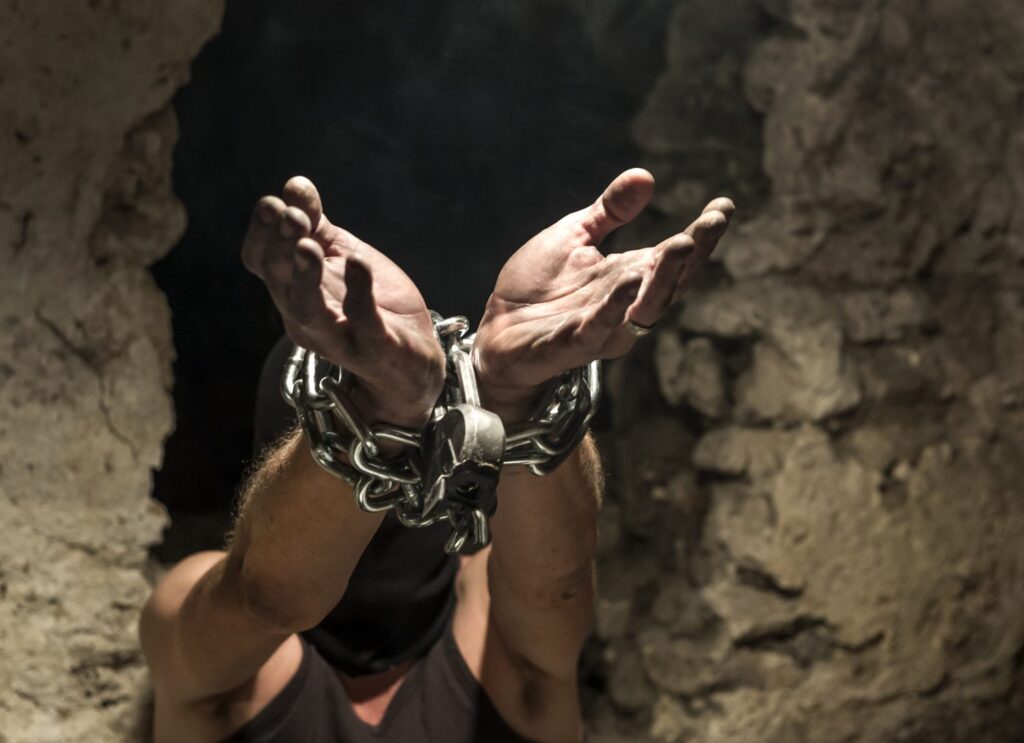
In early February, the Presidium of the Paneuropa Movement Austria adopted a position paper on the 2019 European elections. One of the points refers to “peace, security, rule of law” as principles of European foreign policy, as well as “the commitment to religious freedom and against the persecution of Christians in many parts of the world”. The Easter attack in Sri Lanka, with more than 300 dead, has once again drastically demonstrated how much Christians worldwide suffer from persecution and terror. This brutal attack was, moreover, just one of many attacks on Christians that have taken place in recent weeks.
Religious freedom repeatedly plays a role in the policy of the European Union, even if some political forces find it difficult to see the fight against Christian persecution as part of this commitment to religious freedom, because they define religious freedom as the absence of religion. It is little known that the European Union even has a Special Envoy for this issue in the person of the former Slovak EU Commissioner and former President of the Paneuropa Union Slovakia, Jan Figel. Little is known about his work. He is rarely mentioned in the official communications of the EU institutions.
The reactions to the fire at Notre Dame Cathedral in Paris perhaps offer a guide as to why Europe today finds it so difficult to make the issue of Christian persecution a concrete foreign policy matter. Practically all reactions to the fire on Holy Monday referred to the building’s cultural heritage, its status as a tourist attraction, its architecture, etc. etc. But hardly any politician was able to articulate what truly burned: namely, a church, a house of God. Notre Dame could not stand as a symbol for French culture if it had not been built as a house of God. This makes it clear that everything said about the fire ultimately rests on a formative element of European culture, namely Christianity. Culture is, among other things, linked to the cult one lives. If this foundation, this cornerstone, is forgotten, an identity crisis is an inevitable consequence. And much of what we see today as crises in Europe and in the EU must be understood as an identity crisis.
This Christian culture, which made Europe what it still partly represents in the world, also gave rise to the rule of law. When it comes to the question of peace, we Europeans must admit that even Christian culture has not prevented us from waging wars. But we have at least managed, after the Second World War, to begin a project of European unification that was dedicated precisely to this goal: securing peace.
As the European Union, we could therefore act with much greater self-confidence in foreign policy. And not just with greater self-confidence, but truly as Europeans, meaning not just as individual states, none of which any longer conducts a real foreign policy.
Until the European elections on 26th May, in my capacity as President of the Paneuropa Movement Austria, I will comment on individual points from the Paneuropa Movement’s position paper.
The article originally appeared on the website of Karl von Habsburg.
c Featured image: European Union 2015



