Kosovo, Spain, and Ukraine
Spain and Ukraine have not recognised Kosovo’s independence. Their arguments, however, are utterly illogical. By Rainhard Kloucek
Kosovo has been an independent state for ten years. The declaration of independence in February 2008 was preceded by a long process of UN administration (as a consequence of the ethnic cleansing war waged by Slobodan Milosevic against the Kosovo Albanians), which ultimately culminated in the Ahtisaari Plan, in which UN Special Envoy Martti Ahtisaari outlined the future path of Europe’s youngest state. More than 100 states have recognised Kosovo’s independence, including 23 of the (still) 28 states of the European Union. Among EU countries, Greece, Cyprus, Slovakia, Romania, and Spain have not yet recognised it.
Many Absurd Reasons for Non-Recognition
Among other European countries that have not recognised Kosovo are, for example, Ukraine, Bosnia and Herzegovina (where the so-called Republika Srpska blocks recognition), and, of course, Serbia. Russia, as a close ally of Serbia, supports the position of non-recognition in the UN Security Council.
The reasons for non-recognition are diverse and mostly absurd. In particular, the stance of Spain and Ukraine is characterised by very peculiar traits, the absurdity of which is addressed in this article.
Kosovars Not Allowed to Travel to Spain
Apart from Spain, Kosovo’s relationship with all other non-recognising European Union countries is quite relaxed. Citizens of Kosovo can travel to these countries without problems with a Schengen visa, contacts at government level are normal, and there are no blockades regarding the Balkan state’s EU ambitions.
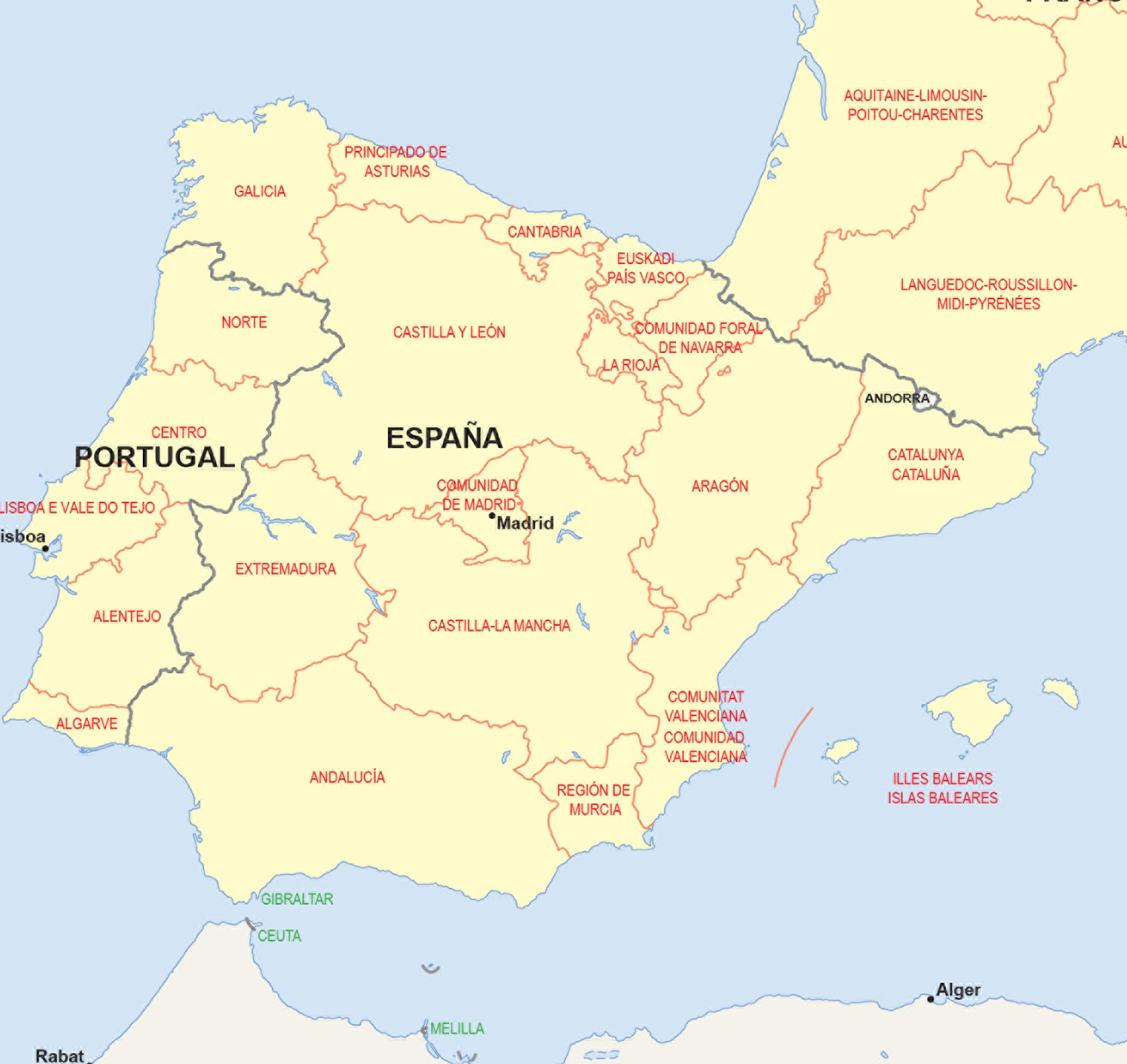
Spain compares Kosovo’s independence to the separatists in Catalonia, thereby placing itself on the same level as Milosevic.
Spain alone pursues a policy clearly directed against the country. For example, Schengen visas for Kosovars are not valid in Spain. Citizens of Kosovo are not allowed to enter Spain. A situation that will not change even with the expected visa liberalisation (Kosovo has met all requirements). Particularly since the intensified domestic political problems with independence movements in Catalonia, the Spanish government (it is not yet possible to assess whether the new government will change anything) has adopted a blocking stance. This was already the case during the presentation of the so-called Western Balkans Strategy (i.e., a strategy for integrating the countries of Southeast Europe into the EU) by the EU Commission in February, and also at the Western Balkans Summit in Sofia in June.
When the Comparisons Simply Don’t Fit
Spain compares Kosovo’s declaration of independence with the separatist aspirations in Catalonia, while Ukraine compares it with Russia’s annexation of Crimea, which Moscow legitimises through a referendum organised by Russia – President Putin, in a press conference after his meeting with US President Trump in Helsinki, spoke of a referendum that ‘we’ organised, thereby for the first time relegating the previous narrative of the Crimean population’s desire for annexation to Russia to the realm of legend.
To highlight the absurdity of the arguments of both countries, one only needs to compare the history of Kosovo’s declaration of independence with the situation in Catalonia and Crimea.
The End of Yugoslavia
Former Yugoslavia – which included the autonomous region of Kosovo – consisted of six constituent republics and two autonomous regions, with the autonomous regions having the same rights as the constituent republics. In 1989, the Milosevic regime abolished autonomy. A systematic oppression of Albanians in Kosovo began, leading to a war with genocidal characteristics in 1999. Only a NATO intervention in 1999 ended the expulsion and the war, which had claimed 12,000 lives in one year.
UN Resolution and UN Administration
A UN resolution in 1999 led to a mandate for peacekeeping forces and a UN administration. Originally intended for three years, the mandate was extended. After six years, status negotiations began, led at an international level by Martti Ahtisaari. Austrian diplomat Albert Rohan was also involved.
A contact group of several states developed guidelines for Kosovo’s future. Both Serbia and Russia later left this contact group. The status negotiations finally culminated in Kosovo’s declaration of independence on 17th February 2008.
It was, therefore, the then political leadership of Serbia that – after the other wars unleashed by Milosevic against Slovenia, Croatia, and Bosnia and Herzegovina – first stripped Kosovars of their autonomy rights, then forced them into a kind of apartheid regime, and finally attempted to expel or murder the population. Kosovo’s path to independence was accompanied by the international community.
Spain: An Absurd Comparison
This history is comparable neither to the events in Spain nor in Ukraine. Spain did not wage war against Catalonia; there were no systematic expulsions, nor the annihilation of entire families and village communities. Even under the Franco government, no events comparable to Slobodan Milosevic’s actions occurred, although separatists were killed, and even today, separatists are imprisoned. The Spanish government has not restricted or abolished autonomous rights in Catalonia. If the Spanish government now compares Catalonia with Kosovo, it automatically compares the Spanish central government in Madrid with the Milosevic government in Belgrade. A comparison that not even opponents of this government would draw. There is no accompaniment by the UN or the EU for Catalonia’s independence aspirations.
The absurdity of this comparison of the situation in Spain with Kosovo is far surpassed by the comparison of the annexation of Crimea with Kosovo’s declaration of independence. Crimea unequivocally belongs to Ukraine under international law. In a referendum in early December 1991, more than 90 per cent of Ukrainians voted for independence (from the Soviet Union); at the end of December of the same year, the Soviet Union was dissolved.
Crimean Majority Against Russian Control
Even in Crimea, in Ukraine’s independence referendum, significantly more than 50 per cent (a clear absolute majority) voted for Ukraine’s independence and thus against Russian control.
Guarantor Power in the Budapest Memorandum
In the 1994 Budapest Memorandum, the Russian Federation (alongside other guarantor powers such as the USA and Great Britain) recognised Ukraine’s full sovereignty within its existing borders (including the Crimean Peninsula). In return, Ukraine committed to surrendering its nuclear weapons and to further nuclear disarmament.
Following the Euromaidan protests (also known as the Revolution of Dignity in Ukraine) against Viktor Yanukovych’s Russia-aligned and extremely corrupt government, Russian soldiers (without insignia, the so-called ‘little green men’) occupied Crimea, violating all existing treaties.
First the Occupation, Then the Referendum
In already Russian-occupied Crimea, Moscow organised a referendum, the outcome of which subsequently led to the annexation of the peninsula by Russia. The international community condemned Moscow’s actions as a clear violation of international law.
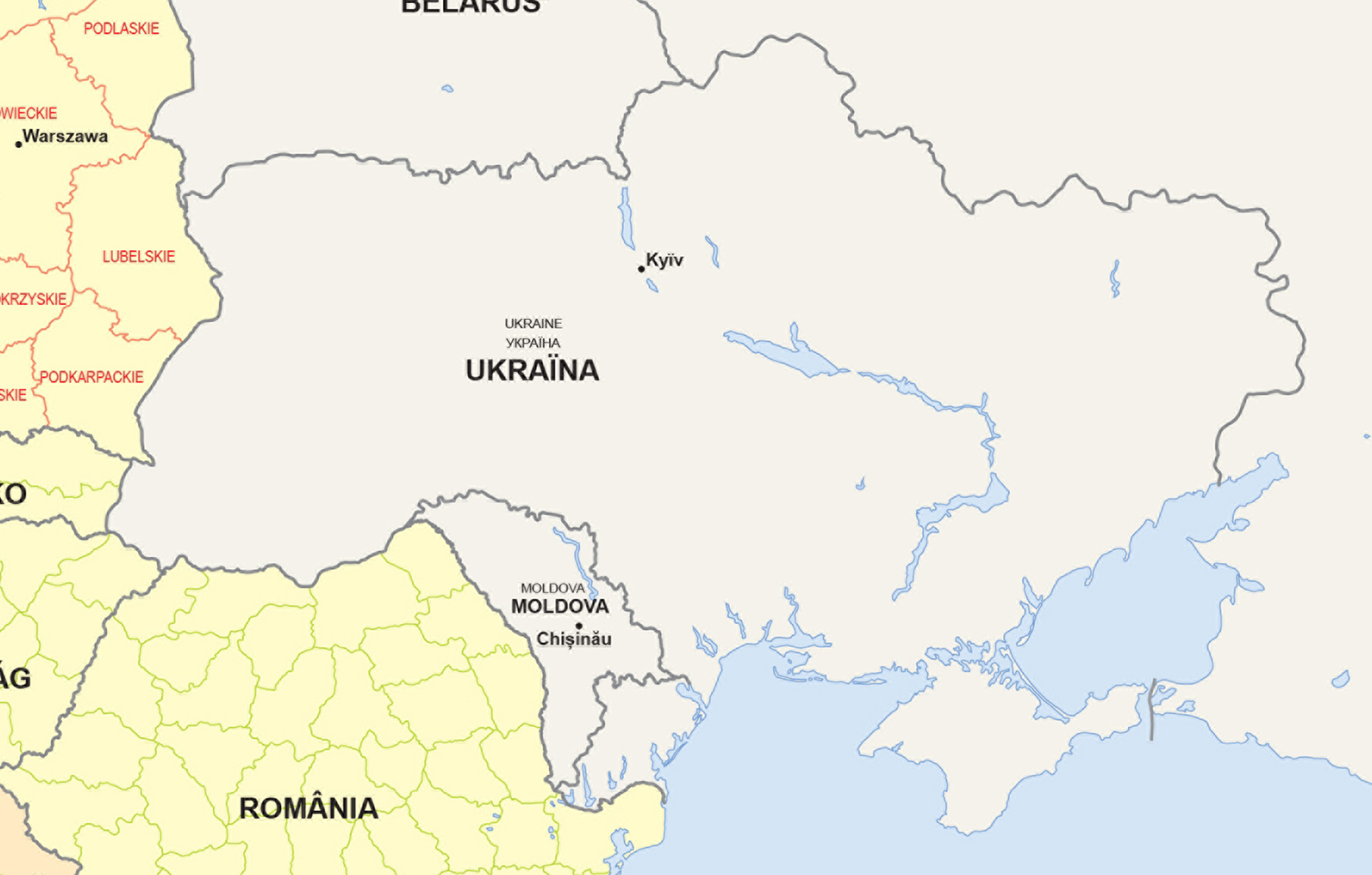
By comparing Crimea with Kosovo, Ukraine falls into the trap of Russian propaganda.
If one now compares, from a Ukrainian perspective, this annexation of Crimea by Russia with the situation in Kosovo, the Milosevic regime, after the occupation of Kosovo by Serbian troops and the expulsion of Kosovars (the ‘little green men’ also expelled many Crimean Tatars, for example), would have had to organise a referendum in Kosovo, the result of which would have had to be the confirmation of Kosovo’s annexation to Serbia. Ukraine, the victim of Russian aggression against Crimea, thus adopts the aggressor’s position in its argumentation regarding Kosovo, thereby indirectly playing into the hands of Russian propaganda.
Non-Recognition Brings No Solutions
The absurdity of comparing Kosovo with Catalonia and Crimea is evident in the fact that non-recognition has prevented neither the annexation of Crimea nor the separatist movement. Non-recognition, therefore, in no way contributes to solving the problem for which independence is denied. On the contrary: recognition by Spain would deny separatists the opportunity to compare their situation with that of Kosovo. Recognition by Ukraine would render Moscow’s comparison between the annexation of Crimea and Kosovo meaningless.



