The EU’s Dragon Dance
How should the European Union deal with China? Human rights count for as little in Beijing as freedom of expression. A commentary by Ludwig Bayer.
Australian wine, once downed with gusto in China, has been made so expensive by punitive tariffs that consumption is plummeting. The trigger? Statements by Australian politicians and media regarding human rights. A Chinese minister declared that the Australian government clearly does not have its press under control. To him, a country that allows its journalists to work freely appears weak and decadent. China, on the other hand—or so he thinks as part of the ruling “new class”—can reject freedom of expression worldwide. Following this pattern, European companies are also punished if they criticise forced labour in Chinese camps. The Swedish fashion group H&M dared to do so. A boycott followed.
It is a pure illusion to assume that we could help the Uyghurs or influence Beijing’s political course through appeals. The recently published book “Drachentanz – Chinas Aufstieg zur Weltmacht” (Dragon Dance – China’s Rise to World Power) by Matthias Naß (C.H.Beck-Verlag) provides an expert description of how China’s inner workings function. The Great Leader Xi Jinping has blended his own ideas with Marxism-Leninism and stylised this mixture into a state religion—or rather, a substitute religion. Mass media and the education system are subject to total political alignment.
Western values could cause Beijing’s system of rule to wobble; they are therefore fought against. Unfortunately, it is useless to denounce this.
Nevertheless, EU politicians tried the impossible. Entry bans followed. Brussels, in turn, reacted with pique and froze negotiations with Beijing on an investment pact. This, however, is a shot in the foot. The European economy needs treaties that protect intellectual property and ensure “more reciprocity in market access” (Merkel). The interests of the EU require us to engage in a dragon dance, enduring China’s exercise of power within its own borders as an internal matter, while simultaneously urging our politicians to negotiate hard with Beijing. The goal must be to accept mutual (!) non-interference in internal affairs and to strengthen the EU economy.
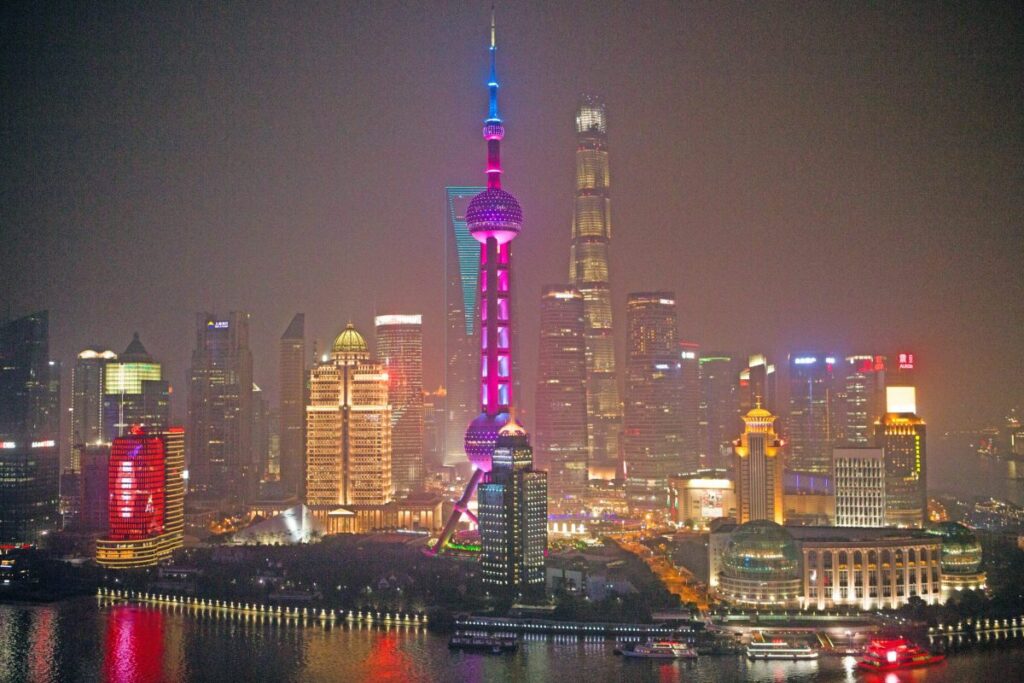
Featured image Shanghai, © EU 2017



